
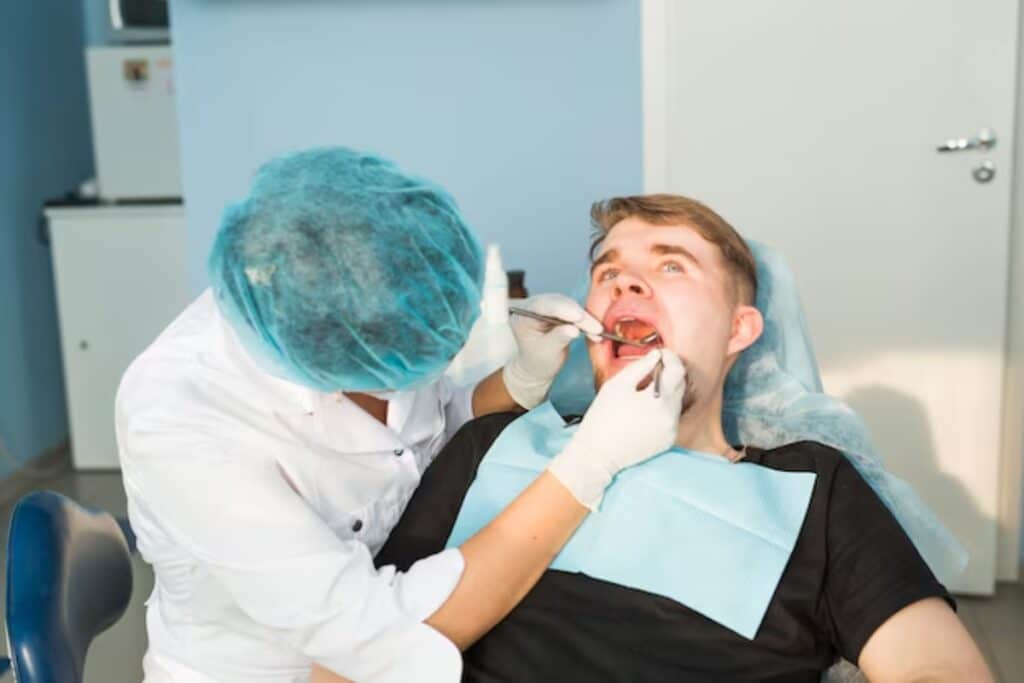
Oral cancer can be life-threatening if not detected early, but with regular screenings, dentists can help patients recognize potential issues before they progress. Oral cancer exams are short but thorough, designed to detect any signs that may indicate early stages of the disease. This guide outlines what your dentist will examine during this essential screening.
Why Get an Oral Cancer Exam?
Oral cancer screenings are recommended for everyone, though frequency may depend on individual risk factors. Dentists suggest an exam once or twice a year, especially for those with higher risk. Early detection is crucial in improving the prognosis of oral cancer. If you notice unusual sores, swelling, or numbness, scheduling an exam can help catch potential issues sooner.
What Happens During an Oral Cancer Exam?
An oral cancer exam usually takes 5-10 minutes, making it quick and painless. Despite the short duration, the examination is comprehensive. Dentists thoroughly check the mouth and surrounding areas, looking for signs or symptoms indicative of oral cancer. If anything unusual is detected, the dentist will recommend further steps to assess and confirm any findings.
Understanding Risk Factors
Before beginning the physical examination, the dentist will ask questions to determine your level of risk for oral cancer. Risk factors include:
- Tobacco use (smoking or chewing)
- Alcohol consumption, especially in large quantities
- Human papillomavirus (HPV) infection
- Sun exposure (which increases lip cancer risk)
- Weakened immune system
Certain lifestyle habits, such as a poor diet or inconsistent oral hygiene, can also contribute to oral cancer risk. Patients with these risk factors may be encouraged to have screenings more frequently, as early detection can significantly impact treatment outcomes.
Key Signs of Oral Cancer
Visible Symptoms
During the visual part of the exam, dentists search for abnormalities in the mouth, such as:
- Red or white patches on the lips, gums, or tongue
- Lumps or rough spots that feel different from surrounding tissues
- Sores that bleed easily or don’t heal over time
Visible signs like these can indicate oral cancer or other oral health issues. Dentists are trained to identify which irregularities are worth investigating further.
Physical Examination
Alongside the visual check, the dentist performs a physical examination of the mouth, jaw, and neck. They may gently feel for any lumps, hard spots, or nodules that might not be immediately visible but could indicate underlying problems. The head, neck, and jawline are also included in the exam to ensure comprehensive coverage of all areas affected by oral cancer.
Checking for Swelling, Tenderness, and Bite Changes
Even without pain, swelling in the mouth or jaw may signal a problem. Dentists will note any tenderness, numbness, or swelling in the tissues, which could be signs of abnormal cell growth. Additionally, if patients experience changes in their bite—where the teeth no longer fit together as they once did—the dentist may suggest further tests or X-rays to explore these alterations, as they may relate to underlying oral health issues.
When to Recommend a Biopsy
If the dentist detects any suspicious tissue, they will discuss next steps, which may involve a biopsy. A biopsy is a small sample of tissue that is sent to a lab for analysis. If cancer cells are identified, your dentist or a specialist will recommend an appropriate treatment plan. This early intervention can make a significant difference in the treatment and outcome of oral cancer.
The Role of the Periodontist
While general dentists are often the first to screen for oral cancer, specialists like periodontists may also play a role in identifying and managing risk factors associated with oral health conditions. Periodontists, who specialize in gum health, and endodontists, who treat the inside of the tooth, can provide additional insight if unusual symptoms arise in their areas of expertise. By working closely with these specialists, patients have a well-rounded approach to monitoring and maintaining their oral health.
Benefits of Regular Oral Cancer Screenings
Routine screenings don’t just focus on detecting cancer—they’re an opportunity for patients to be proactive about their oral and overall health. Regular exams help you stay informed about any changes in your mouth, ensuring that minor issues don’t become serious problems. Dentists can catch oral cancer in its early stages, which significantly improves the success of treatment.
Conclusion
Taking control of your oral health includes regular visits to the dentist for oral cancer screenings . Dentists are trained to look for subtle changes that may not be obvious to the untrained eye, ensuring that potential problems are addressed early. Schedule regular exams with your dentist, especially if you have risk factors, to maintain your health and peace of mind.