
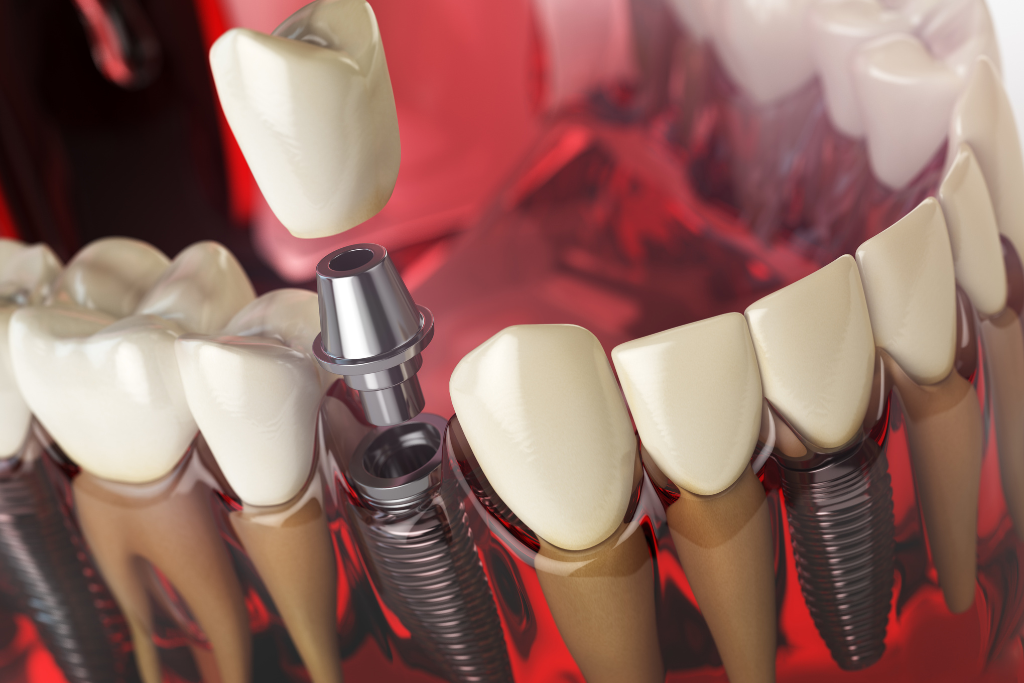
If you had All-on-4 implants placed a few years ago and you’re suddenly noticing looseness, gum tenderness, or a strange clicking sound when you bite down, you’re probably wondering if something has gone wrong. The honest answer is: sometimes, yes. All-on-4 implants have an excellent long-term success rate, but they are not immune to failure, and problems can quietly develop years after the original surgery, long after you thought the hard part was over.
This is something our patients across the Tri-Valley ask about often, and it’s worth understanding before small warning signs turn into bigger, more serious problems. Livermore’s own wine country lifestyle plays a bigger role here than people expect: regular wine tasting, backyard barbecues, and casual grazing throughout the day all add up to more sugar and acid exposure around implant sites than most people realize. These everyday habits make ongoing maintenance especially important for anyone with all on 4 dental implants in Livermore, helping reduce the risk of complications years after treatment. If you’re weighing your options for All-on-4 implant treatment, understanding why late failures happen is just as important as understanding the procedure itself because long-term success depends on the care you receive after surgery just as much as the surgery itself.
The Most Common Reasons Late Failures Happen
Early implant failure, the kind that shows up in the first few months, usually traces back to poor bone integration or infection right after surgery. Late failure is a different story. It tends to creep in slowly, driven by everyday habits and biological changes rather than a single surgical mistake. Here’s what we see most often in our Livermore patients:
Peri-implantitis – a gum infection around the implant that behaves much like advanced gum disease around a natural tooth. Plaque builds up beneath the prosthetic bridge in areas that are genuinely difficult to reach with a regular toothbrush. Over months and years, that bacterial buildup gradually destroys the bone supporting the implant. By the time a patient notices looseness, meaningful bone loss has often already occurred.
Uneven bite forces – grinding your teeth at night, chewing ice, or gradual changes in your bite as opposing natural teeth wear down can place excessive stress on one or two of the four implants. Over time, this repeated pressure can weaken the implant-to-bone connection, especially for patients who never received or stopped wearing a custom nightguard.
Changes in bone density – jawbone is living tissue that continues to remodel throughout life. Conditions such as osteoporosis, uncontrolled diabetes, or a history of smoking can gradually reduce the amount of healthy bone surrounding the implants, decreasing the support they rely on. This is one reason regular maintenance appointments are so valuable.
Mechanical wear – even high-quality restorations experience normal wear over time. Retaining screws can loosen and prosthetic materials can fatigue after years of daily chewing. These issues are usually minor when detected early but can become much larger problems if routine checkups are skipped.
In short, late implant failure usually develops because of one or more of these factors:
- Peri-implantitis causes gradual bone loss around the implants.
- Uneven bite forces from grinding, clenching, or chewing hard objects.
- Bone density changes related to aging or certain medical conditions.
- Mechanical wear that goes unnoticed without regular professional maintenance.
Warning Signs Worth Paying Attention To
Patients don’t need to memorize a long checklist, but several warning signs should never be ignored. Persistent bad breath or a bad taste around the implant bridge, gums that appear swollen or bleed during cleaning, discomfort while chewing, or any sensation that the prosthetic feels loose should all be evaluated promptly. These symptoms rarely improve on their own, and early treatment often prevents much more extensive procedures later.
Why Livermore and Tri-Valley Patients Are Especially at Risk for Missed Follow-Ups
Life in Livermore, Pleasanton, Dublin, and San Ramon moves quickly. Between Bay Area commutes, weekends exploring Tesla Road wineries, youth sports, and busy family schedules, it’s easy to postpone a six-month dental visit. Unfortunately, All-on-4 implants require regular professional maintenance even more than natural teeth because the areas beneath the prosthetic bridge simply can’t be cleaned as thoroughly at home. Missing one or two maintenance visits may not seem significant, but for implant patients, that’s often when small problems quietly begin.
How Long-Term Success Is Actually Protected
The good news is that most late implant failures are preventable with consistent home care and professional maintenance. At home, patients should use a water flosser or implant-specific floss to clean beneath the bridge every day, along with a soft-bristled or electric toothbrush. Professionally, routine implant cleanings, digital imaging, and bite evaluations help identify small concerns before they become major complications.
At our Livermore office, we combine cone beam CT imaging with comprehensive periodontal evaluations to monitor bone levels and detect peri-implantitis long before symptoms become noticeable. That early detection is often the difference between a simple adjustment and a complete implant replacement, which is why many patients seeking all on 4 dental implants in Livermore choose a practice that provides comprehensive long-term maintenance as well as implant placement.
Protecting Your Investment for the Long Run
All-on-4 implants are designed to provide decades of function, but lasting success depends on ongoing care, not just a successful surgery. If it’s been a while since your last implant checkup or you’ve noticed that your bridge feels different than it used to, don’t wait until a small issue becomes a major repair.
At Roots & Gums of the Tri-Valley, our board-certified periodontists and endodontists combine advanced imaging technology with years of clinical experience to diagnose problems early and help protect your smile for the future. Whether you already have implants or are considering all on 4 dental implants in Livermore, we’re here to provide the expert care and long-term maintenance you need.
Call us at (925) 258-8450 or request an appointment online to schedule your implant evaluation at our Livermore office today.
Frequently Asked Questions
Can All-on-4 implants really fail after 5 or 10 years?
Yes. Although most All-on-4 implants remain successful for decades, late failure can occur because of peri-implantitis, progressive bone loss, excessive bite forces, or inadequate maintenance over time.
Is bleeding around my implant bridge normal?
No. Bleeding around an implant usually indicates inflammation or infection. It should always be evaluated by your dental specialist rather than monitored at home.
How often should I have my All-on-4 implants professionally checked?
Most patients benefit from professional cleanings and implant evaluations every six months. Those with a history of gum disease, smoking, or significant bone loss may require maintenance every three to four months.
Does smoking affect long-term implant success?
Yes. Smoking restricts blood flow, slows healing, increases the risk of peri-implantitis, and remains one of the strongest risk factors for late implant failure.
If one implant fails, does the entire All-on-4 bridge need to be replaced?
Not necessarily. In many situations, a single failing implant can be treated or replaced without replacing the entire prosthetic. That’s why identifying problems early is so important.