
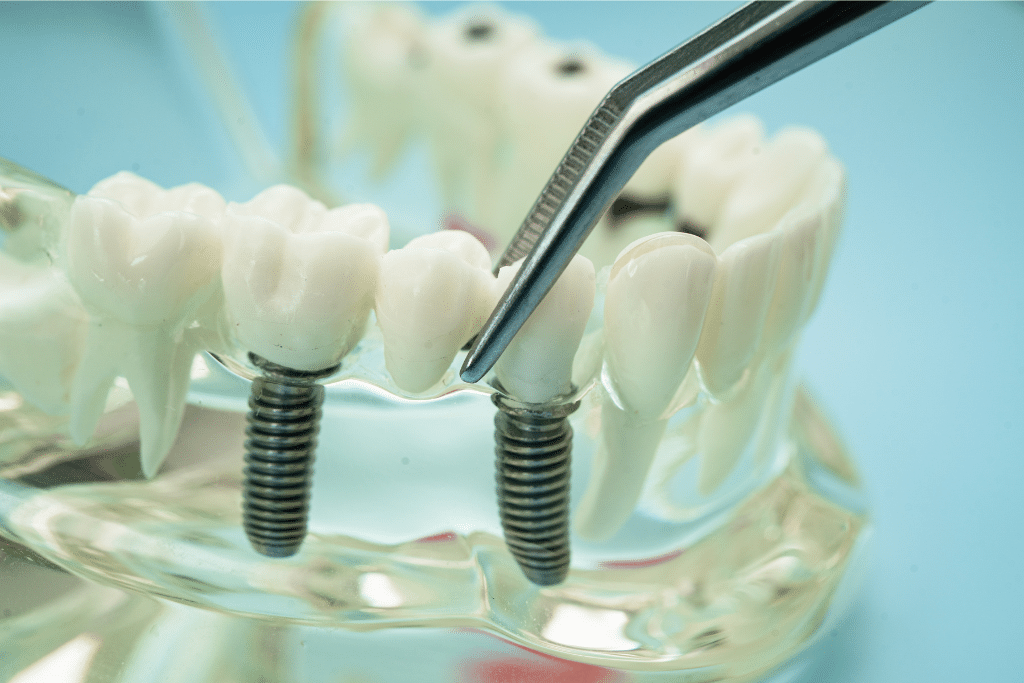
Missing teeth do more than change how your smile looks. They change how you chew, how clearly you speak, and how confident you feel catching up with neighbors at the Livermore Farmers Market or grabbing a glass of wine on First Street. If you’ve lost several teeth to decay, gum disease, or an old injury, you’ve probably wondered whether implants can handle more than one missing tooth at once. The good news is yes, and for a lot of people right here in the Tri-Valley, this one procedure changes everything.
Getting there starts with understanding that all on 4 dental implant treatment isn’t a single, fixed plan. Your dentist looks at how many teeth are missing, how much healthy jawbone you have left, and what your daily life looks like before recommending a path forward. Some patients only need two or three individual implants. Others benefit from an implant-supported bridge that replaces a whole section of teeth at once. For patients missing most or all of their teeth in one arch, all on 4 dental implants in Livermore can provide a stable, full-arch solution that restores both function and appearance without requiring an implant for every missing tooth.
What Makes Full-Arch Implants Different
This is where a technique called All on 4 dental implants comes into play. Instead of placing one implant for every missing tooth, this approach uses just four strategically angled implants to support an entire arch of replacement teeth, upper or lower. It sounds almost too efficient to work, but angling is the trick. By positioning the implants to take advantage of the densest areas of your jawbone, your dentist can often skip bone grafting altogether, even for patients who’ve been missing teeth for years.
For a lot of our patients in Livermore, that matters more than they expect. Bone loss happens fast once teeth are gone, sometimes within the first year. People who’ve put off treatment because they were told they “didn’t have enough bone” are often surprised to learn that all on 4 dental implants in Livermore dentists provide can still be an option, since the technique is designed specifically for jaws that have lost some of their original density.
Why This Matters for Life in the Tri-Valley
Livermore isn’t a sit-still kind of town. Between wine tastings along the Livermore Valley trail, weekend hikes at Sycamore Grove, and the local food scene downtown, chewing comfortably matters. Loose dentures or gaps from missing teeth make it hard to enjoy a tri-tip sandwich at a summer concert or a crisp apple from a local orchard. Patients tell us the biggest change after treatment is that they stop thinking about their teeth altogether when they eat out with family.
There’s also a practical, local reason this matters. Alameda County has a higher-than-average share of adults over 50, and tooth loss becomes more common with age, often tied to gum disease or years of wear. Many Livermore residents commute into the Bay Area for work and don’t want to spend months in and out of appointments. A full-arch implant plan is typically completed in far fewer visits than traditional tooth-by-tooth replacement, which fits better with a busy commuter schedule.
What to Expect During Treatment
Every treatment plan starts with a detailed evaluation, usually including a 3D scan of your jaw so your dentist can map out exactly where the implants should go. On the day of surgery, the implants are placed and a temporary set of teeth is often attached the same day, meaning you don’t leave without a functional smile. Over the following months, the implants fuse with your jawbone in a process called osseointegration. Once that’s complete, your final, custom-made teeth are fitted.
Recovery is usually more manageable than people expect. Most patients are back to normal activities within a few days, with some tenderness that fades within a week or two. Because the implants replace the tooth root itself, not just the visible crown, they also help preserve the jawbone structure that would otherwise shrink over time.
Is This the Right Choice for You
If you’re missing several teeth in a row, or most of the teeth in one arch, this approach is worth a real conversation with your dentist rather than ruling it out on your own. A few signs that full-arch implants may be worth exploring:
- You’re missing most or all of your teeth in one or both arches
- Your dentures feel loose, shift when you eat, or you’ve stopped wearing them altogether
- You’ve had several teeth fail from gum disease or repeated root canals
- You’ve been told in the past that you “don’t have enough bone” for implants
- You want a fixed, permanent solution instead of something removable
Every mouth is different, though, and the only way to know for certain is a proper exam and scan.
If you’ve been putting off this decision, know that a consultation doesn’t commit you to anything. It simply gives you real answers about what’s possible for your specific situation, including how all on 4 dental implants in Livermore families rely on could fit your budget, your timeline and your goals.
Ready to Talk About Your Options?
Living with missing teeth shouldn’t mean limits on what you eat, how you speak, or how confidently you live. If you’re curious whether a full-arch solution is right for you, the team at Roots & Gums of the Tri Valley is here to walk you through it and build a plan around your life in Livermore. Request an appointment today and take the first step toward restoring your comfort, confidence, and quality of life.
Frequently Asked Questions
How many teeth can dental implants replace at once?
A single implant can support one crown, but a small number of implants can also anchor a bridge or a full arch of teeth, depending on your needs and bone health.
Is the All-on-4 procedure painful?
Most patients describe the recovery as similar to a tooth extraction, with manageable soreness for a few days that’s controlled with standard pain medication.
How long do full-arch implants last?
With proper care and regular checkups, the implants themselves can last decades, while the replacement teeth on top typically last 10 to 15 years before needing a refresh.
Do I need bone grafting for full-arch implants?
Not always. The angled placement used in full-arch treatment often works even when there’s been some bone loss, though your dentist will confirm this after a scan.
How much does full-arch implant treatment cost?
Cost depends on your specific case, how many implants you need, and whether any additional procedures are required. A consultation gives you an accurate, personalized estimate.