
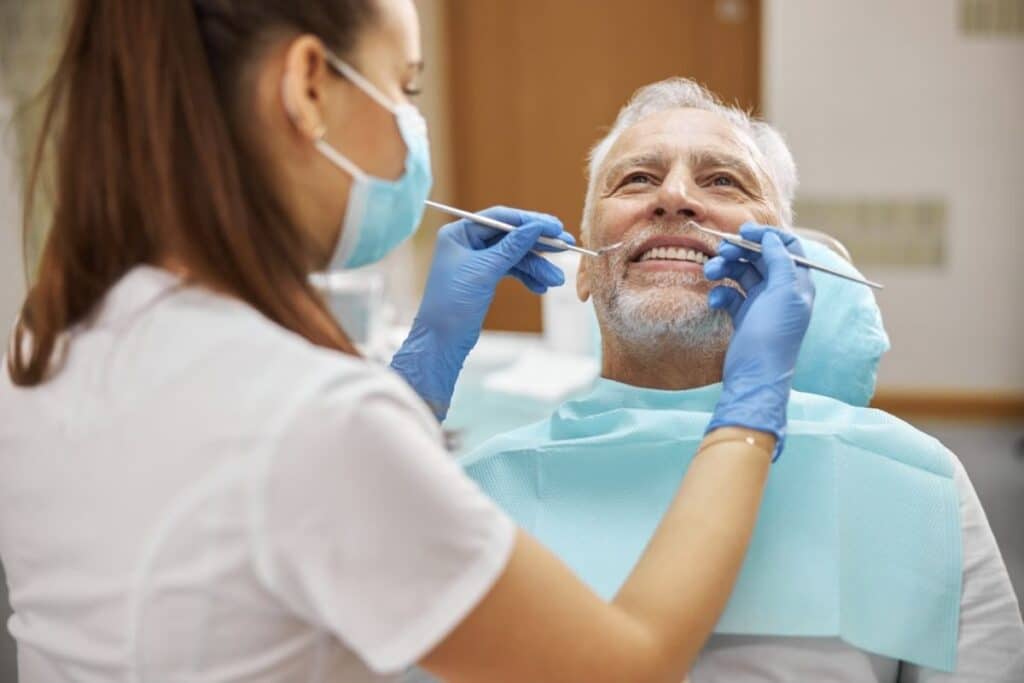
As we grow older, our oral health needs evolve, and so do the risks. Gum disease, one of the most common issues among older adults, can silently wreak havoc on oral and systemic health if not addressed early. Seniors are more vulnerable due to age-related factors such as reduced immunity, dry mouth from medications, and physical or cognitive limitations affecting hygiene.
However, certain periodontal tips can help you maintain healthy gums well into your senior years. Want to know them? Keep reading further.
Why do Older People Get Periodontitis?
Gum disease begins with plaque buildup and, if left untreated, it can progress into periodontitis, a severe infection that damages soft tissues and the bone that supports your teeth. The aged are especially vulnerable because of:
- Reduced immune function
- Dry mouth (often medication-induced)
- Ill-fitting dentures or bridges
- Difficulty with movement that affects daily hygiene.
Chronic gum infections are not just oral problems; they are linked to systemic conditions like heart disease, diabetes, and respiratory infections. That’s why periodontic services in Livermore are essential in your golden years.
Most Effective Tips for Seniors to Keep Up Gum Health
Here are the tips that you can follow to maintain your periodontal condition,
Prioritize Daily Oral Hygiene
Brushing and flossing remain essential, regardless of whether you have natural teeth, bridges, or full dentures. Use a soft-bristled or electric toothbrush to clean thoroughly twice daily. If flossing is difficult, water flossers or floss holders designed for seniors can simplify the task and improve plaque removal.
Pro Tip: Clean dentures daily using a soft brush and non-abrasive cleanser, not toothpaste.
Recognize the Early Signs of Gum Disease
Gum disease does not always cause pain early on, so it is vital to stay alert for:
- Bleeding while brushing or flossing
- Persistent bad breath
- Receding gums
- Loose or shifting teeth
- New gaps between teeth
Any of these signs indicates an immediate visit to your periodontist for a thorough evaluation.
Don’t Skip Periodontal Checkups
Seniors should visit a periodontist at least twice a year for routine evaluations. These visits include:
- Deep cleanings to remove tartar
- Periodontal charting
- Monitoring of bone density and gum recession
Patients with diabetes, heart disease, or a history of gum problems may need more frequent care.
Opt For Dental Implants as a Long-Term Solution
If you have lost one or more teeth, implants may help you regain both function and confidence. Implants not only restore your smile but also help maintain bone structure, which is often lost after tooth loss. A trusted periodontist can evaluate your eligibility and guide you through the process, ensuring long-term oral health success.
Nourish Your Gums Through Proper Diet
Support your gum tissue with a nutrient-rich diet, including:
- Calcium and Vitamin D for bone support
- Vitamin C to promote healing
- Omega-3s and antioxidants to reduce inflammation
Avoid sticky candies or high-sugar snacks that promote harmful bacteria and accelerate gum damage.
Manage Dry Mouth Before It Leads to Gum Trouble
Saliva is your mouth’s natural defense against bacteria and acid. Reduced saliva, or xerostomia, makes you more vulnerable to gum infections.
To prevent dry mouth:
- Drink water regularly
- Avoid alcohol and caffeine
- Use sugar-free gum or lozenges
- Talk to your provider about saliva substitutes
If symptoms persist, consider professional periodontic treatment options personalized for dry mouth management. Age is just a number when you know the right tips to keep up your oral health. Caring for your gums is a vital part of staying healthy as you get older. By addressing the specific dental needs of seniors, we can significantly improve your quality of life. Consistent check-ups, a proper at-home cleaning routine, and a healthy diet are all key to effective periodontal care. Prioritizing your gum health means you can enjoy a healthier and more fulfilling life. Call us to schedule an appointment today to learn how the right care can transform your smile.