
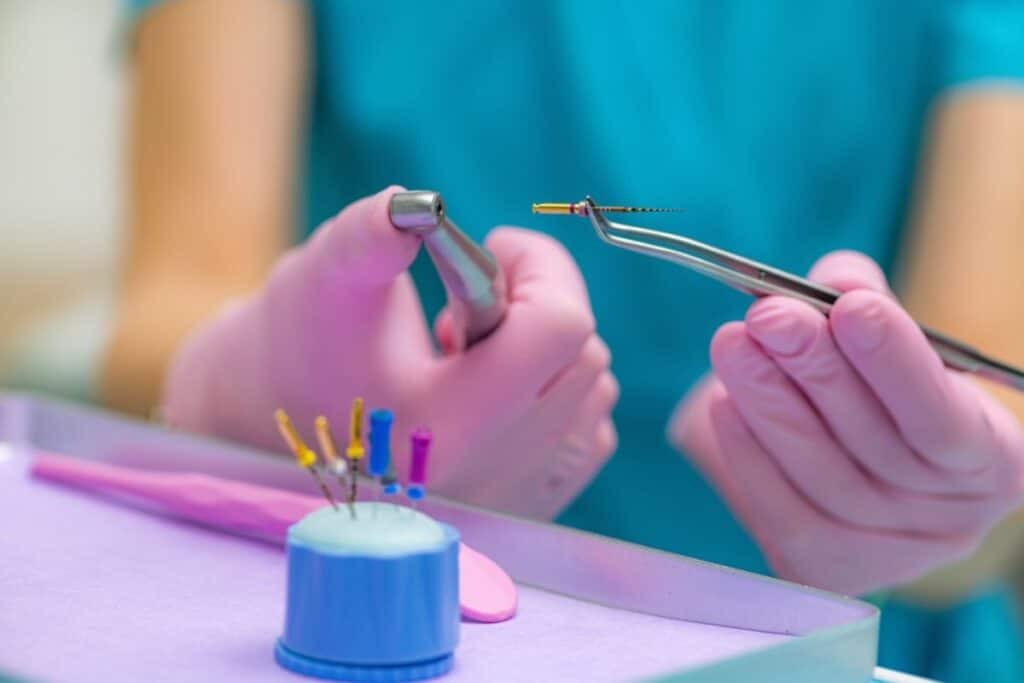
Tooth pain can disrupt daily life, and finding the right solution is crucial for long-term relief. When common remedies do not work, it might be time to consult an endodontist in Livermore. They are specialized professionals who diagnose and treat tooth pain by identifying the root cause of discomfort. But how do they do this, and when should you seek help?
What Does An Endodontist Do?
An endodontist is a dental specialist trained to handle problems that affect the inner parts of the tooth. They focus on the tooth pulp, which contains nerves and blood vessels, and are skilled at diagnosing and treating issues like infections, cracks, or nerve damage that lead to severe pain. While most people associate endodontists with root canals, they provide various treatments to save the tooth and reduce pain.
Key treatments offered by endodontists include:
- Root canal therapy
- Pulpotomy (removal of infected pulp)
- Apicoectomy (surgical removal of the tooth’s tip)
When Should You See A Specialist For Tooth Pain?
If you have been experiencing ongoing discomfort or unusual symptoms, seeing a specialist should be your first step for prevention. Common signs that suggest you need professional care include:
- Persistent, sharp, or throbbing pain.
- Sensitivity to heat or cold that lingers.
- Swelling around the tooth or gums.
- Discomfort when chewing or touching the tooth.
These issues are often caused by deeper dental problems that general dentists might be unable to treat thoroughly. Seeing a specialist ensures you receive an accurate diagnosis and appropriate care, eliminating complexities.
How Do They Diagnose The Root Cause Of Dental Pain?
A specialist will use various methods to determine the cause of your discomfort. They start by reviewing the symptoms and medical history to understand the severity of the issue. X-rays are often taken to examine the tooth’s internal structure and identify any hidden infections or damage. Additionally, they perform tests on the pulp to check if it is still healthy or if there is nerve damage.
By combining these diagnostic tools, the professional effectively pinpoints the exact source. Further, depending on the diagnosis, they recommend the best course of treatment to restore oral health quickly.
What Are The Common Causes Of Unbearable Tooth Pain
Several factors contribute to the cause, but the most common one includes:
- Tooth Decay: Deep cavities can expose the pulp and lead to infection, causing intense pain.
- Cracked Teeth: Even small cracks can irritate the teeth’s nerves, resulting in discomfort when chewing.
- Infections: Bacterial infections can spread to the pulp and cause throbbing pain, often accompanied by swelling.
- Trauma: Injuries to the tooth from an accident or fall can damage the pulp and cause significant pain.
Accurately diagnosing the underlying cause is essential to prevent further damage and ensure the best treatment.
Safe And Effective Procedures Endodontists Perform For Dental Pain Relief
Once the cause of the pain is identified, treatment will depend on the specific issue. Standard procedures include:
Root Canal Therapy
This is the most common treatment for infections or damage to the pulp. It involves removing the infected tissue, cleaning the canal, and sealing it to prevent further issues.
Pulpotomy
If only a part of the pulp is affected, the specialist may remove the damaged portion to preserve the tooth.
Surgical Options
In some cases, surgery may be required to remove infected tissue around the tooth or the root.
These treatments are designed to alleviate pain, address the underlying problem, and save the tooth whenever possible.
Get Relief From Tooth Pain With Our Expert Care In Livermore?
Choosing our endodontist in Livermore ensures you are partnered with a highly trained professional who uses state-of-the-art equipment to diagnose and treat tooth pain. Our experts have advanced training in the latest diagnostic tools, such as 3D imaging, and techniques to minimize procedure discomfort. Additionally, their expertise ensures effective and long-lasting therapies with no side effects.
So, if the symptoms sound similar, don’t wait any longer. Early intervention can prevent further complications, restore your tooth’s health, and relieve discomfort. Schedule a consultation with us to get the relief you deserve.