
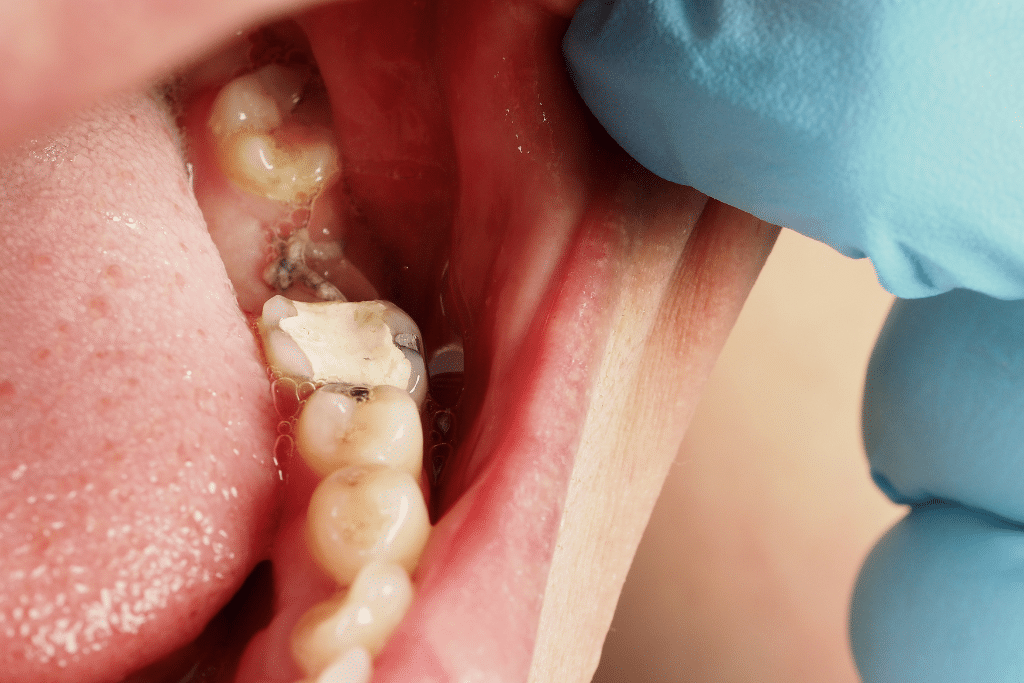
Gum disease rarely starts with pain. In fact, many people in Livermore continue their daily routines while subtle symptoms quietly worsen beneath the surface. A little bleeding while brushing. Slight swelling that comes and goes. Mild bad breath that never fully disappears. Because these signs feel manageable, they’re often ignored—until the damage becomes serious.
What many patients don’t realize is that untreated gum disease doesn’t stay limited to the gums. Over time, it can affect the bone, teeth, and even overall health. Understanding these risks early can make the difference between preserving your natural smile and facing complex dental treatment later.
How Gum Disease Progresses Without Treatment
Gum disease typically begins as gingivitis, a mild form of inflammation caused by plaque buildup along the gumline. At this stage, the damage is still reversible. However, when treatment is delayed, gingivitis can progress into periodontitis, where infection spreads deeper beneath the gums.
After the first signs, harmful bacteria begin breaking down the tissues and bone that support your teeth. Pockets form between the teeth and gums, trapping more bacteria and making daily brushing less effective. This cycle continues silently, often without noticeable pain, until significant damage has occurred.
It’s usually after this point well past the early stages that patients start searching for a periodontist, often wishing they had acted sooner.
Hidden Risks Many Patients Overlook
Ignoring gum disease can lead to more than gum discomfort. Some of the most common risks include:
- Permanent bone loss
Once the jawbone begins to deteriorate, it does not grow back on its own. Bone loss weakens tooth support and limits future treatment options. - Loose or shifting teeth
As support structures weaken, teeth may shift position or feel unstable, affecting bite alignment and chewing comfort. - Tooth loss
Advanced gum disease is one of the leading causes of adult tooth loss even in patients who brush daily. - Chronic bad breath
Persistent odor is often caused by infection below the gumline, not surface-level hygiene issues. - Increased risk to overall health
Studies continue to show links between untreated gum disease and systemic conditions such as heart disease and diabetes complications.
Why Gum Disease Often Goes Untreated
Many Livermore residents delay care for understandable reasons. Busy schedules, lack of pain, or uncertainty about whether symptoms are “serious enough” can all lead to postponement. Some patients assume gum issues are cosmetic, while others believe they’ll resolve on their own.
The reality is that gum disease requires professional care. As it progresses, treatment becomes more involved, time-consuming, and costly. This is why early evaluation before discomfort escalates is so important.
Patients who begin searching online for a periodontist near me in Livermore are often already experiencing moderate to advanced symptoms. Earlier intervention could have prevented much of the damage.
Local Factors That Increase Risk in Livermore
Lifestyle and environmental factors can also play a role in gum health. In Livermore and surrounding Tri-Valley communities, common risk contributors include:
- High stress levels from commuting and fast-paced work routines
- Seasonal allergies that cause mouth breathing and dry gums
- Busy family schedules that lead to skipped dental visits
- Higher rates of diabetes, which increases susceptibility to gum infections
Because these factors are so common locally, routine gum evaluations are especially important for long-term oral health.
When Gum Disease Starts Affecting Daily Life
As the condition advances, patients often notice changes they can no longer ignore difficulty chewing, sensitivity, visible gum recession, or discomfort when speaking. At this stage, many people actively seek a periodontist near me in Livermore to stop further damage and stabilize their oral health.
While treatment at this point can still be effective, it often requires more involved care than if the disease had been addressed earlier.
How Professional Care Helps Stop the Damage
Seeing a trained periodontist allows for precise diagnosis and targeted treatment focused on preserving teeth and bone. Advanced techniques can remove infection below the gumline, encourage healing, and help prevent recurrence.
Early care is typically more comfortable, less invasive, and leads to better long-term outcomes. Even patients with advanced disease can often avoid tooth loss when treatment is started promptly.
Key Takeaways to Remember
- Gum disease does not heal on its own
- Lack of pain does not mean lack of damage
- Bone loss can begin before symptoms feel severe
- Early treatment protects both oral and overall health
- Delaying care often leads to more complex treatment later
Protect Your Smile Before Damage Becomes Permanent
Gum disease is common but tooth loss doesn’t have to be. If you’ve noticed warning signs or it’s been a while since your gums were evaluated, early action can make all the difference.
At Roots & Gums of the Tri-Valley, our focus is on preserving natural smiles through timely, personalized periodontal care. Schedule your consultation today and take the first step toward healthier gums and long-term oral health.
Frequently Asked Questions
Can Gum Disease Really Cause Tooth Loss Even If I Brush Daily?
Yes. Brushing alone cannot remove bacteria trapped beneath the gumline once gum disease has progressed.
Is Bleeding Gums Always A Serious Problem?
Bleeding is often an early warning sign. Persistent bleeding should never be ignored.
How Fast Does Gum Disease Progress If Untreated?
Progression varies by individual, but damage can advance significantly within months without care.
Can Advanced Gum Disease Be Treated Without Surgery?
In many cases, early to moderate disease can be managed with non-surgical therapy if addressed in time.
Does Gum Disease Affect Overall Health?
Yes. Research links untreated gum infections to heart disease, diabetes complications, and inflammation throughout the body.