
When it comes to replacing missing teeth, most patients find themselves choosing between two primary solutions: dental implants and dentures. Both options can restore your ability to chew, smile with confidence, and improve oral health. However, when evaluating long-term value, durability, comfort, and overall investment, the differences become much clearer. Understanding these differences helps you make a confident, informed decision about your smile and your future.
Dental implants offer a modern, permanent solution, while dentures have been a traditional choice for many decades. Before selecting the right treatment for your lifestyle, oral condition, and budget, it’s essential to compare the benefits, longevity, and daily experience each option provides. For patients exploring tooth replacement options, especially those comparing dental implants in Livermore, this guide breaks down everything you need to know.
What Are Dental Implants?
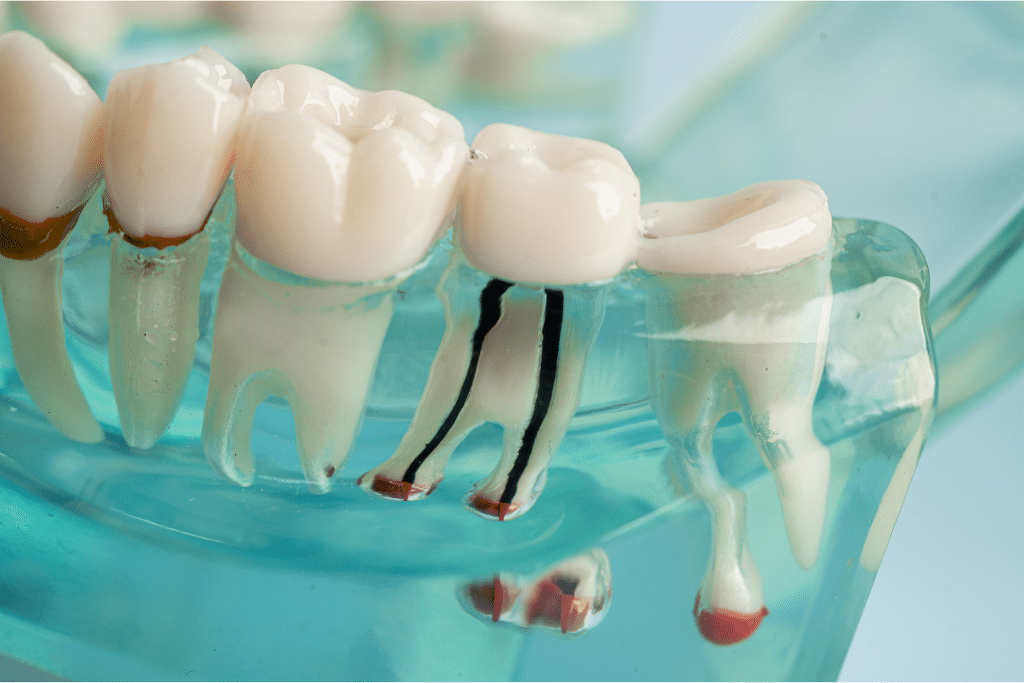
Dental implants are titanium or zirconia posts surgically inserted into the jawbone to replace missing tooth roots. Once healed, a custom-made crown is attached, creating a stable, natural-looking replacement.
Key Benefits of Dental Implants
- Longevity: Implants can last 25+ years with proper care.
- Jawbone Preservation: They prevent bone loss by stimulating the jaw.
- Natural Appearance: They look, feel, and function like real teeth.
- No Slipping or Clicking: Because implants are fixed, they stay secure.
- Easy Maintenance: Brush and floss like natural teeth.
Although implants may cost more upfront, their long-term durability often makes them the more cost-effective solution.
What Are Dentures?
Dentures are removable prosthetic appliances designed to replace multiple teeth or an entire arch. They rest on the gums and are typically made of acrylic resin.
Key Benefits of Dentures
- Lower Initial Cost: Ideal for patients on a tighter budget.
- Quick Fabrication: They can be made faster than implant restorations.
- Non-Surgical Option: Perfect for patients who cannot undergo surgery.
Despite their affordability, dentures often require more long-term maintenance and replacement.
Long-Term Value Comparison
When it comes to long-term value, the differences between dental implants and dentures become more significant:
1. Durability & Lifespan
- Implants: May last a lifetime.
- Dentures: Typically replaced every 5–10 years.
2. Maintenance Costs
- Implants: Minimal long-term expenses.
- Dentures: Need frequent adjustments, rebasing, or replacement.
3. Comfort & Daily Use
- Implants: Feel like natural teeth; no slipping.
- Dentures: May move while eating or speaking.
4. Appearance & Confidence
- Implants: Maintain facial structure and look more natural.
- Dentures: May cause sunken cheeks over time.
5. Oral Health
- Implants: Help preserve jawbone health.
- Dentures: Can accelerate bone loss due to pressure on the gums.
Considering these factors, patients choosing dental implants in Livermore often find implants to be the superior long-term investment.
Which Option Should You Choose?
Your ideal tooth replacement depends on your oral health, bone density, lifestyle, and budget. If you want a low-maintenance, long-term solution that looks natural and protects your oral health, dental implants typically provide the best value. If you need a faster, more affordable option with no surgery required, dentures might be a better fit.
For patients seeking expert guidance, Roots & Gums of the Tri Valley provides advanced solutions tailored to your needs. If you’re ready to discover whether implants or dentures are right for you, request an appointment today and take the first step toward a confident, healthy smile.
FAQS
1. Are dental implants more comfortable than dentures?
Yes. Dental implants feel and function like natural teeth because they are anchored into the jawbone. Dentures can shift or rub against the gums, causing discomfort for some patients.
2. Do dental implants prevent bone loss?
Yes. Implants stimulate the jawbone like natural tooth roots, helping prevent bone loss. Dentures sit on the gums and may accelerate bone shrinkage over time.
3. Which looks more natural: dental implants or dentures?
Dental implants provide a more natural look and feel because they integrate with the bone. Dentures can look natural too, but may lose their fit as the jawbone changes.
4. Are dental implants harder to maintain than dentures?
Maintenance for implants is simple brush and floss like natural teeth. Dentures require daily removal, cleaning, and occasional adhesive use.
5. Can I eat normally with dental implants?
Yes. Dental implants restore strong biting power, allowing you to enjoy most foods comfortably. Dentures may slip or limit biting force.
6. Are dental implants or dentures better for full-mouth restoration?
Implants often provide better stability, function, and long-term value for full-mouth restoration. However, dentures can be a good non-surgical or budget-friendly alternative.