
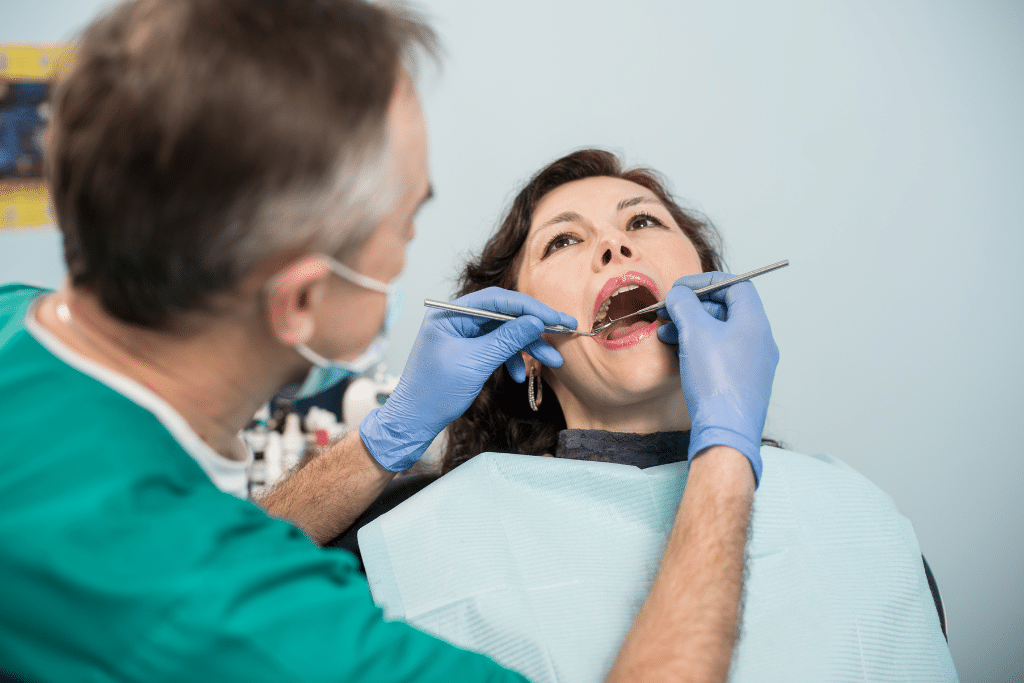
If you’ve ever pushed your tongue against a tooth and felt it shift even slightly, you know that unsettling feeling. A loose tooth isn’t something adults are supposed to experience, that’s the stuff of childhood milestones and the Tooth Fairy. When it happens in adulthood, it almost always means something is going wrong beneath the surface.
More often than not, that “something” is gum disease.
Here in the Tri-Valley area Livermore, Pleasanton, Dublin, and the surrounding communities gum disease is one of the most underdiagnosed oral health conditions. People go years brushing and rinsing without realizing their gums are quietly losing the battle, often only searching for a periodontist near me in Livermore once symptoms become noticeable. By the time a tooth starts to wiggle, the disease has often been progressing for a while.
This post walks you through why loose teeth happen, what gum disease actually does to your jawbone, and what your options look like if you’re already dealing with this.
Why Adult Teeth Shouldn’t Move
Your teeth are held in place by a network of structures called the periodontium, your gums, the periodontal ligament, and the underlying alveolar bone. Think of it like the foundation of a house. As long as the foundation is solid, everything above stays put.
When gum disease (periodontitis) takes hold, it triggers an inflammatory response that slowly destroys that foundation. Bacteria from plaque build up below the gumline, forming what dentists call “periodontal pockets.” Over time, this bacteria-driven inflammation erodes the bone and ligament tissue that anchors your teeth. When enough support is lost, teeth start to loosen.
This process is gradual, which is exactly why so many people miss it until the damage is significant.
Common Signs You Might Have Gum Disease
Loose teeth are usually a later-stage symptom. These earlier warning signs often appear first:
- Gums that bleed when you brush or floss a sign of active inflammation, not “normal” sensitivity
- Persistent bad breath that doesn’t improve with brushing or mouthwash
- Gums that look red, swollen, or have pulled away from the tooth surface
- Teeth that appear longer than they used to (because the gumline is receding)
- Sensitivity to hot, cold, or pressure near the gumline
- A noticeable change in how your teeth fit together when you bite
If any of these sound familiar, especially if you’ve been dealing with them for months or years it’s worth getting a periodontal evaluation sooner rather than later.
Other Reasons a Tooth Might Feel Loose
Gum disease is the most common culprit, but not the only one. A few other causes worth knowing about:
Teeth grinding (bruxism): Many Livermore residents who work high-stress jobs or deal with disrupted sleep end up clenching and grinding at night without realizing it. Chronic grinding puts enormous lateral force on teeth, which can cause them to loosen over time even in the absence of gum disease.
Trauma: A hit to the face during sports, a fall, or even biting down on something unexpectedly hard can temporarily loosen a tooth. If there’s no underlying bone loss, these cases can often heal on their own with monitoring.
Hormonal changes: Pregnancy-related hormonal shifts can temporarily affect gum tissue and tooth stability, a condition called pregnancy gingivitis. This typically resolves postpartum but should still be monitored by a dental professional.
Bone loss from other causes: Certain medical conditions, medications, or prior dental infections can contribute to bone density loss in the jaw. A thorough X-ray evaluation will reveal what’s happening beneath the surface.
What a Periodontist Does Differently
A general dentist can treat early-stage gum disease effectively. But once periodontitis progresses especially when bone loss is involved you really want to see a specialist.
A periodontist completes two to three additional years of specialized training beyond dental school, focused entirely on the gums, bone, and supporting structures of the teeth. They’re trained to diagnose the severity of bone loss with precision, perform deep cleaning procedures (scaling and root planing), and when necessary perform bone grafting or tissue regeneration to rebuild what’s been lost.
If you search for a periodontist near me in Livermore, you’re looking for someone who does this work every single day. That level of focused experience genuinely matters when it comes to complex cases like loose teeth with significant bone loss.
Treatment Options for Loose Teeth Caused by Gum Disease
The good news is that a loose tooth doesn’t automatically mean a lost tooth especially if you get evaluated promptly. Treatment depends on how much bone support remains.
Scaling and root planing is typically the starting point for moderate periodontitis. The procedure removes bacterial deposits from below the gumline and smooths the root surfaces so that gum tissue can reattach more securely.
Bone grafting is recommended when significant bone has already been lost. Graft material (either from your own body or a tissue bank) is placed at the site to encourage new bone growth. Over several months, this can help stabilize a previously mobile tooth.
Tooth splinting can provide temporary stability by bonding a loose tooth to adjacent stable teeth, giving the surrounding tissues time to heal.
Dental implants, if a tooth ultimately cannot be saved, offer a long-term replacement option that preserves jawbone and function. As a periodontist in Livermore, this is also part of what we do.
A Note for Livermore Residents: Local Risk Factors Matter
The Tri-Valley’s warm, dry climate can contribute to dehydration and dry mouth is a significant risk factor for gum disease, because saliva naturally helps neutralize bacteria and wash away plaque. If you spend time outdoors, commute through dusty conditions on the 580 or 84, or regularly drink coffee at the local wine tastings and events around the Bankhead Theater area, you may be more prone to oral dryness than you realize.
Add in the fact that many Bay Area residents have demanding schedules and tend to push off dental appointments and it’s easy to see how gum disease can quietly advance for years before a loose tooth finally prompts a visit.
If it’s been more than a year since your last full periodontal evaluation, it’s time.
Ready to Get Answers?
If you’ve noticed any of the symptoms described here a tooth that moves, gums that bleed, or a feeling that something just isn’t right don’t wait for it to resolve on its own. Gum disease doesn’t get better without treatment, and the cost of waiting is almost always higher than the cost of acting early.
Roots & Gums of the Tri Valley is a periodontal specialty practice serving the Livermore community and surrounding Tri-Valley area. Whether you’re coming in for a first evaluation or you’ve already been told you need advanced gum treatment, our goal is straightforward: help you keep your natural teeth for life.
We welcome patients searching for a periodontist near me in Livermore who want personalized, evidence-based care in a comfortable setting. If you’re looking for a trusted periodontist in Livermore to address loose teeth, gum disease, or bone loss, we’re here.
Call us +1(925) 258-8450 or use our online scheduler — same-week appointments are often available.
Frequently Asked Questions
Can A Loose Adult Tooth Tighten Back Up On Its Own?
Rarely. Without treatment, teeth loosened by bone loss won’t restabilize. Early evaluation gives you the best chance of saving the tooth.
How Do I Know If I Need A Periodontist Or Just A Regular Dentist?
If your dentist has flagged bone loss, deep pocket depths, or moderate-to-severe gum disease, it’s time to see a periodontist. Many patients also come to us directly.
Is Bone Grafting Painful?
Most patients are surprised by how manageable it is. The procedure is done under local anesthesia, and a few days of mild soreness is typically all that follows.
Can Gum Disease Cause Me To Lose The Tooth Completely?
Yes, if left untreated. Advanced gum disease is actually the leading cause of tooth loss in adults. Catching it early is the key to keeping your natural teeth.
How Long Until I See Results After Treatment?
Gum tissue response shows within six to eight weeks. Bone graft results take three to six months to fully evaluate on imaging.