
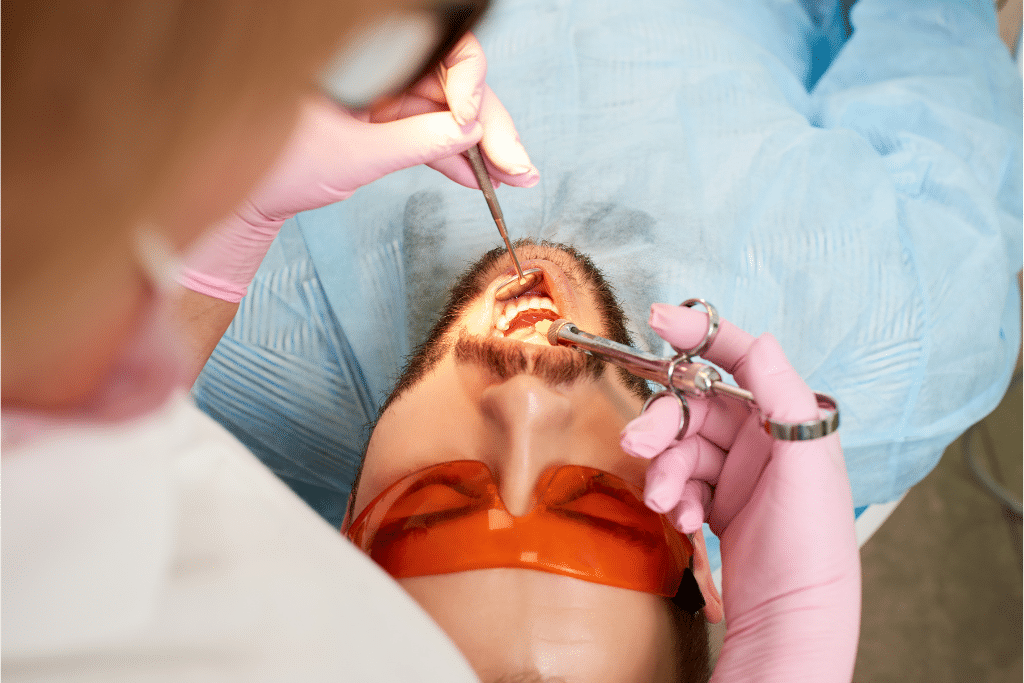
Tooth pain can start as a small annoyance and quickly turn into something that disrupts your entire day. Many people assume the discomfort will disappear on its own, but when the problem lies deep inside the tooth, ignoring the signs can lead to serious complications.
An infected tooth occurs when bacteria reach the inner pulp of the soft tissue containing nerves and blood vessels. This infection can spread beyond the tooth and affect surrounding bone and gums if left untreated. Recognizing the early warning signs helps you act quickly and protect your natural tooth.
Many patients begin searching online for an endodontist near me in Livermore when symptoms become difficult to ignore. But ideally, treatment should happen long before the pain becomes severe. Below are seven signs that may indicate your tooth infection needs specialized care.
1. Persistent Tooth Pain That Doesn’t Go Away
One of the most common symptoms of an infected tooth is continuous or throbbing pain. The discomfort may feel dull at first, but it often becomes sharper over time.
The pain might:
- Radiate to the jaw, ear, or neck
- Increase when lying down
- Come and go but never fully disappear
When tooth pain lasts more than a day or two, it often signals deeper inflammation in the pulp. At this stage, an endodontist can evaluate the tooth and determine whether root canal therapy is necessary to remove the infection and preserve the natural structure.
2. Sensitivity to Hot or Cold That Lingers
Many people experience brief sensitivity when eating ice cream or drinking hot coffee. However, long-lasting sensitivity may signal a damaged or infected tooth nerve.
Watch for symptoms such as:
- Sharp pain after consuming hot drinks
- Sensitivity that continues even after the stimulus is removed
- Discomfort that worsens over time
Lingering sensitivity suggests the nerve inside the tooth may already be inflamed or infected.
3. Swollen or Tender Gums
An infected tooth often causes inflammation in the surrounding gums. You may notice swelling near the painful tooth or tenderness when brushing and flossing.
Common signs include:
- Puffy gums near a specific tooth
- Redness or soreness
- A small bump on the gums that resembles a pimple
That bump may actually be a dental abscess, which forms when infection spreads beyond the tooth root.
4. Pain When Biting or Chewing
If biting down suddenly becomes painful, it may indicate infection or inflammation around the tooth root.
People often describe this symptom as:
- A sharp pain when chewing
- Pressure sensitivity
- A feeling that the tooth is slightly raised
This happens when infection affects the ligaments and bone that support the tooth. Patients experiencing this discomfort often start looking for an endodontist near me in Livermore to understand what’s happening and prevent further damage.
5. Tooth Discoloration
A tooth that turns gray, dark yellow, or brown could indicate damage to the pulp inside. When the nerve tissue dies due to infection or trauma, it can change the internal color of the tooth.
Unlike surface stains caused by coffee or tea, internal discoloration often affects only one tooth and does not improve with whitening treatments.
6. Bad Taste or Persistent Bad Breath
A lingering bad taste in your mouth may indicate infection draining from the tooth.
You may notice:
- A bitter or metallic taste
- Bad breath that doesn’t improve with brushing
- Fluid draining from the gum area
These symptoms suggest bacteria are actively spreading, which requires professional dental care to eliminate the source of infection.
7. Facial Swelling or Jaw Tenderness
When infection progresses, it may cause swelling in the face, jaw, or lymph nodes.
Symptoms can include:
- Swelling on one side of the face
- Jaw tenderness
- Difficulty opening the mouth fully
This stage often indicates the infection has spread beyond the tooth root and requires prompt treatment. Many people experiencing facial swelling immediately begin searching for an endodontist near me in Livermore to address the problem before it worsens.
Why Early Treatment Matters
Ignoring the signs of a tooth infection can lead to complications such as bone loss, severe abscesses, or even tooth loss. The goal of endodontic treatment is to remove infection while preserving your natural tooth.
Modern root canal procedures are designed to be efficient and comfortable. With advanced imaging and precision techniques, an endodontist can locate the infected tissue, clean the canal system, and seal the tooth to prevent reinfection.
Early care also means:
- Shorter treatment time
- Less discomfort
- Better long-term results
Local Lifestyle Factors That Can Increase Tooth Infection Risk
In many communities across California, certain everyday habits increase the likelihood of dental infections.
These include:
- High coffee consumption, which can hide early tooth sensitivity
- Busy work schedules that delay dental visits
- Sports injuries from biking, hiking, or recreational activities common in the Tri-Valley area
- Stress-related teeth grinding
Because these factors are common among working professionals and active families, regular dental checkups become especially important for preventing infections.
Simple Ways to Protect Your Teeth
Preventing tooth infections is often easier than treating them. Small daily habits can make a big difference.
Helpful prevention tips:
- Brush twice daily with fluoride toothpaste
- Floss regularly to remove bacteria between teeth
- Avoid ignoring persistent tooth pain
- Wear a mouthguard during sports
- Schedule routine dental exams
If any unusual symptoms appear, early evaluation can help save your tooth and avoid complex procedures later.
Protect Your Smile Before the Problem Gets Worse
Tooth infections rarely improve without professional care. Recognizing the early warning signs and seeking treatment quickly can help preserve your natural smile and prevent more complicated dental problems.
If you’re experiencing persistent tooth pain, swelling, or sensitivity, the team at Roots & Gums of the Tri-Valley is here to help. Our experienced specialists focus on saving natural teeth through advanced endodontic care in a comfortable environment.
Schedule a consultation today and take the first step toward lasting relief and a healthier smile.
Frequently Asked Questions
How Do I Know If My Tooth Infection Requires Treatment?
Persistent pain, swelling, sensitivity, or discoloration are common indicators. A dental evaluation and X-ray can confirm whether the infection has reached the tooth pulp.
Can A Tooth Infection Heal On Its Own?
No. Once bacteria infect the pulp, the condition typically worsens without treatment. Professional care is required to remove the infection.
Is Endodontic Treatment Painful?
Modern procedures are designed to be comfortable and are usually performed with local anesthesia. Most patients report relief from pain after treatment.
How Long Does Treatment Usually Take?
Many procedures can be completed in one visit, although complex infections may require additional appointments.
What Happens If An Infected Tooth Is Left Untreated?
Untreated infections can spread to surrounding bone and tissue, leading to severe abscesses or tooth loss.