
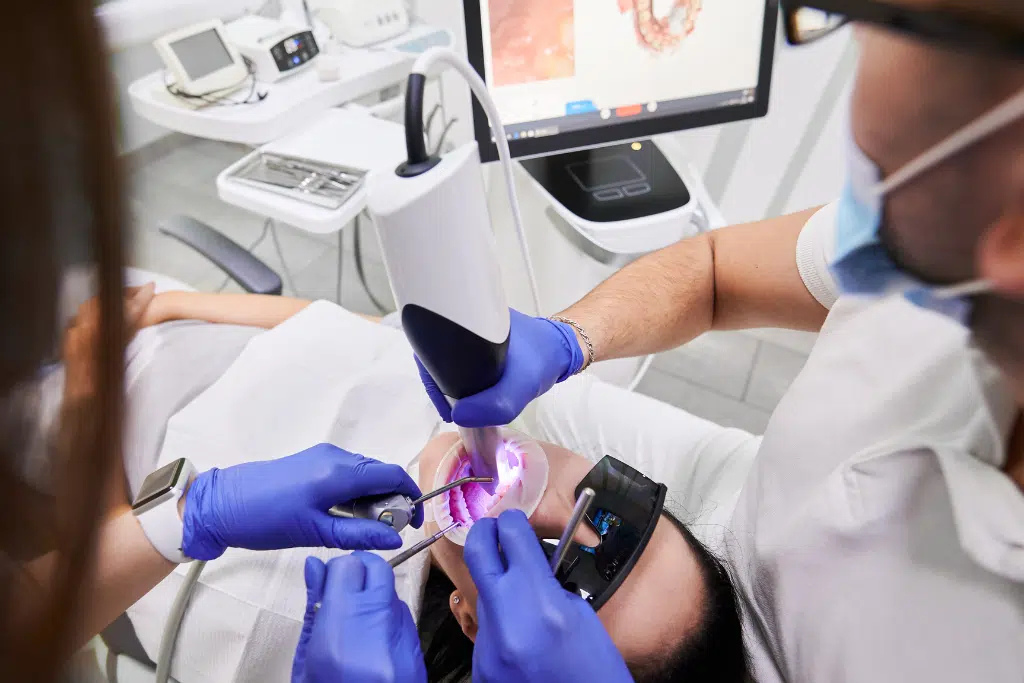
A sudden toothache during dinner. A chipped tooth after a weekend game at the park. Swelling that seems to come out of nowhere. Dental problems don’t always happen at convenient times and when they do, the first question most people ask is: Is this an emergency, or can it wait?
Knowing the difference can protect your health, save your tooth, and prevent unnecessary stress. While some dental issues can safely wait a day or two, others need immediate attention to avoid infection, long-term damage, or serious complications.
If you’re unsure whether you need urgent care, understanding the warning signs can help you decide when to seek emergency dentistry in Livermore and when to schedule a regular appointment instead.
What Counts as a True Dental Emergency?
A dental emergency typically involves:
- Severe pain that doesn’t improve
- Uncontrolled bleeding
- Swelling in the face or jaw
- Trauma to the mouth
- Signs of infection (fever, pus, difficulty swallowing)
These symptoms often indicate something deeper than a simple cavity — and delaying care can make treatment more complex.
Let’s break it down further.
Situations That Need Immediate Attention
1. Severe, Persistent Tooth Pain
A mild toothache may come and go. But sharp, throbbing pain that keeps you awake at night or worsens when you bite down may signal infection or nerve damage. If pain lasts more than a day or is accompanied by swelling, it shouldn’t be ignored.
2. Knocked-Out Tooth
Time is critical. If a permanent tooth is knocked out, try placing it back into the socket gently or store it in milk and seek care immediately. Acting within 30–60 minutes improves the chance of saving it.
This can happen during youth sports at local schools, cycling on nearby trails, or even minor household accidents. Quick response makes all the difference.
3. Facial Swelling or Abscess
Swelling in the cheek, jaw, or under the eye may indicate a spreading infection. Dental abscesses are serious and can affect overall health if untreated. If you notice swelling, fever, or a bad taste in your mouth, urgent care is necessary.
4. Uncontrolled Bleeding
Bleeding that doesn’t stop after applying pressure for 10–15 minutes requires immediate professional attention.
5. Broken or Cracked Tooth with Pain
A minor chip without pain may wait a short time. However, a crack exposing the inner tooth layer can lead to infection and should be evaluated quickly.
In these cases, seeking emergency dentistry in Livermore ensures fast diagnosis and treatment before complications develop.
Problems That May Be Urgent — But Not Immediate
Not every dental concern requires a same-hour visit. Some issues are uncomfortable but manageable for a short time:
- Lost filling without pain
- Minor chipped tooth
- Mild sensitivity
- Food stuck between teeth
- Broken braces wire (without injury)
In these cases, call your dentist for guidance. You’ll likely be scheduled within a reasonable timeframe, but it may not require immediate emergency intervention.
When to Visit the ER Instead
Dental offices are equipped to handle most oral emergencies. However, go to the emergency room if you experience:
- Difficulty breathing or swallowing
- Severe facial trauma
- High fever with swelling
- Suspected jaw fracture
These situations involve broader medical concerns that require hospital-level care.
Why Acting Quickly Matters
Many patients wait, hoping pain will resolve on its own. Unfortunately, dental infections rarely disappear without treatment. What starts as a cavity can progress to nerve damage. A crack can deepen. Swelling can spread.
Prompt care often means:
- Saving the natural tooth
- Avoiding surgical procedures
- Lower treatment costs
- Faster recovery
Local families juggling work schedules, school pickups, and weekend activities sometimes delay care out of convenience. But when it comes to dental emergencies, early action almost always leads to better outcomes.
That’s why access to reliable emergency dentistry in Livermore plays an important role in protecting the community’s oral health.
How to Decide: A Simple Self-Check Guide
Ask yourself these questions:
- Is the pain severe and constant?
- Is there visible swelling?
- Is the tooth loose or knocked out?
- Is there uncontrolled bleeding?
- Do I feel feverish or unwell?
If you answered “yes” to any of these, it’s best to call your dentist immediately.
If you’re unsure, calling for advice is always better than guessing.
Preventing Dental Emergencies
While not all emergencies are preventable, many are avoidable with simple steps:
- Wear a mouthguard during sports
- Avoid chewing ice or hard candies
- Maintain regular checkups
- Treat small cavities early
- Don’t ignore minor tooth sensitivity
Routine dental visits catch problems before they escalate. For busy households in the Tri-Valley area, staying proactive can reduce unexpected visits later.
What to Expect During an Urgent Visit
If you do need urgent care, here’s what typically happens:
- Digital imaging to assess damage
- Pain relief and infection control
- Temporary or permanent restoration
- Clear follow-up instructions
Modern technology allows faster diagnosis and comfortable treatment helping patients return to work, school, and daily routines with minimal disruption.
Having a trusted provider for emergency dentistry in Livermore means you won’t be scrambling to find care when time matters most.
Don’t Wait Until It Gets Worse
Dental issues don’t always follow a schedule. Some are minor inconveniences. Others require immediate care to protect your health and your smile.
The key is recognizing the difference — and not waiting when symptoms point to something serious. Acting early can prevent long-term complications and give you peace of mind.
If you or a family member is experiencing severe pain, swelling, or dental trauma, don’t delay. The experienced team at Roots & Gums of the Tri Valley is here to provide compassionate, timely care when you need it most.
Call today to schedule an appointment and protect your smile before a small issue becomes a big problem.
Frequently Asked Questions
How Long Can I Wait With A Toothache?
If pain lasts more than 24 hours or worsens, schedule an evaluation. Severe pain should not be delayed.
Can A Cracked Tooth Heal On Its Own?
No. Teeth cannot regenerate enamel or repair structural cracks without treatment.
Is Swelling Always Serious?
Swelling often indicates infection. Even if pain is mild, it should be checked promptly.
What If My Child Chips A Tooth?
If there’s no pain or bleeding, it may not be urgent — but it should still be examined within a few days.
Will Urgent Treatment Be Painful?
Modern techniques prioritize comfort. Most patients feel relief quickly once the source of pain is treated.