
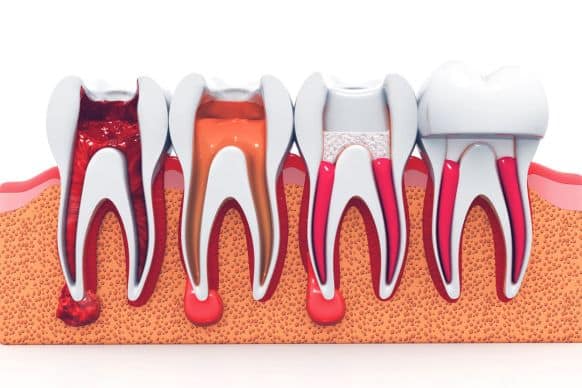
Imagine undergoing a root canal operation to relieve excruciating tooth pain, only to discover that the pain either doesn’t go away or comes back. This unusual case emphasizes the need for endodontic retreatment, which offers root canals another shot at success.
Introduction
Regarding dental operations, endodontic retreatment is a vital choice for those whose initial root canal therapy did not yield the anticipated results. Even though root canals are usually successful, there are a few reasons why you might want to give them another try.
Brief Overview of Endodontic Retreatment
Reexamining a tooth previously receiving a root canal is known as endodontic retreatment. This second opportunity enables any issues that may have contributed to the persistence of symptoms or the return of difficulties to be identified and resolved.
Importance of Revisiting Root Canals
Choosing to get an endodontic retreatment is not a hasty one. It is based on the knowledge that retreatment is a good substitute for extraction and that maintaining natural teeth is important.
Common Reasons for Endodontic Retreatment
It’s important to know why root canals could require further examination. Typical causes include improperly filled and sealed canals, unrecognized new canals, or insufficient pulp removal during the first surgery.
Signs That a Root Canal Needs Retreatment
Recognizing recurrent indications and symptoms is frequently the first step toward determining the necessity for endodontic retreatment. It’s time to consider getting a second opinion if you continue feeling pain, swelling, or infections in the treated tooth.
- Persistent Pain and Discomfort: Persistent pain or discomfort is one of the main signs that retreatment is necessary after a root canal. The pulp may not have been completely removed, or germs may still be present in the treated region.
- Swelling and Inflammation: Indications that something might not be right include swelling and irritation surrounding the treated tooth. These symptoms can indicate an infection or insufficient canal closure.
- Recurring Infections: If an infection in a tooth with a root canal keeps returning, more research is necessary. Endodontic retreatment aims to cure and get rid of chronic infections.
Causes of Failed Root Canals
Recognizing the necessity of retreatment requires understanding the causes that lead to unsuccessful root canals.
- Incomplete Removal of the Pulp: If all of the diseased or inflammatory pulp is not removed during the initial root canal, it may result in persistent problems. A more complete extraction is guaranteed by endodontic retreatment.
- Undetected Additional Canals: Sometimes, during the initial root canal operation, canals that are not visible due to the intricacy of tooth structure occur. These untreated canals may be home to germs that lead to ongoing issues.
- Poorly Filled or Sealed Canals: Insufficient filling or sealing of the canals during the first treatment gives germs a place to live. By filling up these spaces, endodontic retreatment encourages a more robust seal.
The Endodontic Retreatment Process
- Diagnostic Assessments and Imaging: Comprehensive diagnostic evaluations and imaging are the first steps in the endodontic retreatment process. X-rays and other cutting-edge imaging methods might be among them to find the underlying source of the ongoing problems.
- Removal of Existing Filling Material: The original root canal filling material must be removed to retreat a tooth successfully. This stage makes it possible to start over and clean the canals more thoroughly.
- Thorough Cleaning and Disinfection: The canals must be cleaned and disinfected to get rid of any leftover germs. The conditions are satisfied for a successful retreatment by this methodical procedure.
- Filling and Sealing the Canals: The cleansed channels are sealed and filled with a biocompatible substance to stop more bacterial infiltration. This step is essential to guarantee that the endodontic retreatment is successful.
- Importance of a Skilled Endodontist: The endodontist‘s skill level is crucial to the effectiveness of endodontic retreatment. Selecting a knowledgeable and experienced specialist raises the chances of success.
Technological Advances in Endodontic Retreatment
Technological developments in dentistry have greatly enhanced the endodontic retreatment procedure.
- Use of Magnification and Illumination: Modern endodontists utilize magnification and illumination tools to see intricate details within the tooth, ensuring a more precise and thorough retreatment.
- Advances in Imaging Technology: High-resolution imaging techniques, such as cone-beam computed tomography (CBCT), provide detailed 3D views of the tooth’s internal structure, aiding in accurate diagnosis and treatment planning.
- Laser-Assisted Endodontic Retreatment: The use of lasers in endodontics has revolutionized retreatment procedures. Lasers help disinfect the canals and promote better healing.
Recovery and Aftercare
- Post-Treatment Pain Management: While some discomfort may be expected after endodontic retreatment, effective pain management strategies are employed to ensure a smoother recovery.
- Monitoring for Signs of Success: Patients are advised to monitor their treated teeth for any signs of improvement and report any concerns promptly to their endodontist.
- Importance of Follow-Up Appointments: Follow-up appointments are crucial in assessing the success of the retreatment and making any necessary adjustments. Regular dental check-ups become essential for ongoing oral health.
Benefits and Risks of Endodontic Retreatment
- Preserving Natural Teeth: The primary benefit of endodontic retreatment is the preservation of natural teeth. Saving a tooth through retreatment avoids tooth extraction’s potential complications and challenges.
- Potential Risks and Complications: While endodontic retreatment is generally safe, there are potential risks, including infection recurrence or tooth damage during the process. However, these risks are outweighed by the benefits in most cases.
- Comparative Cost Analysis: Comparing the cost of endodontic retreatment with tooth extraction and replacement options showcases the economic advantage of preserving natural teeth.
Conclusion
In conclusion, Endodontic retreatment is a useful choice for those having problems with their previously treated root canals. With the help of technological innovations and the knowledge of qualified specialists, the procedure provides a second opportunity to save natural teeth. As an alternative to extraction, endodontic retreatment is essential for preserving dental health and fostering a permanent smile.