
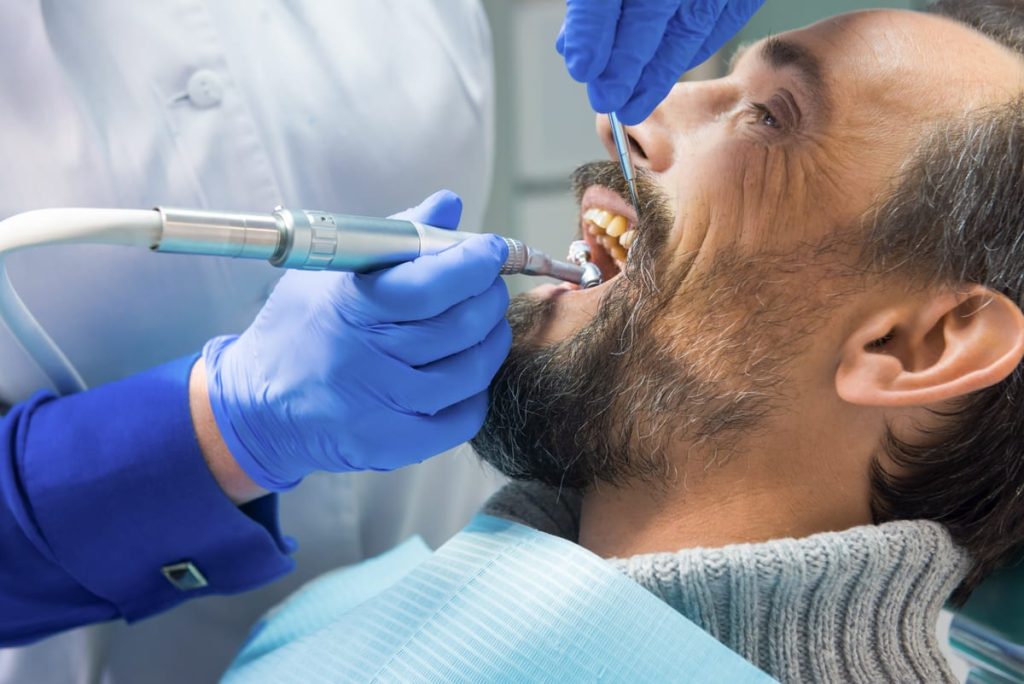
If you’ve ever asked about root canal treatment and walked away confused by the price range, you’re not alone. Why root canal costs vary more than you’d expect in Livermore is a question Dr. Evan Santiago hears often at Roots & Gums Of The Tri-Valley. The truth is, several real clinical factors drive that variation. Understanding them helps you feel confident — not blindsided — when treatment is recommended.
Why Root Canal Costs Vary More Than You’d Expect: The Basics
Root canal treatment is not a single, one-size-fits-all procedure. It involves removing infected pulp tissue, cleaning the inside of the tooth, and sealing it carefully. The complexity of each step depends heavily on the individual tooth and patient.
No two cases are identical. A straightforward front tooth differs enormously from a back molar with curved roots. That difference alone can shift the time and skill required — and therefore the cost involved.
Patients in Livermore often assume root canals are priced like oil changes. In reality, they’re more like custom repairs. The specific work needed shapes the final investment every single time.
Tooth Location and Root Complexity Play a Major Role
One of the biggest cost drivers is which tooth needs treatment. Your mouth contains teeth with very different internal structures. Front teeth typically have one root and one canal. Back teeth — molars — can have three or four canals, sometimes more.
More canals mean more cleaning, more time, and greater technical demand. Curved or calcified canals add another layer of difficulty. Dr. Santiago uses digital X-rays at Roots & Gums Of The Tri-Valley to map each tooth’s anatomy before starting.
That imaging step matters. Accurate internal mapping prevents surprises mid-procedure. It also helps estimate realistic treatment time upfront, which directly affects what the procedure involves overall.
Here are the main tooth-related factors that influence root canal complexity:
- Number of root canals — molars have more than front teeth
- Canal curvature — curved canals require more precise instrumentation
- Calcification — hardened canals are harder to navigate and clean
- Root length — longer roots extend treatment time
- Previous dental work — existing crowns or posts complicate access
The Severity of Infection Affects the Scope of Treatment
How advanced the infection is when you seek care makes a significant difference. Catching a problem early usually means a more contained procedure. Waiting, unfortunately, often means the infection has spread further.
A deeper or more widespread infection requires additional steps. Sometimes multiple appointments are necessary rather than one visit. That expanded scope is a direct cost factor — not an arbitrary one.
In some situations, infection spreads beyond the tooth itself. When bacteria reach surrounding bone tissue, the stakes rise. Bone loss around teeth is a serious concern that our team monitors carefully.
Conditions like Jaw Bone Loss And Deterioration Livermore patients experience can complicate otherwise routine cases. In those situations, additional evaluation or treatment may be needed alongside root canal therapy. This is one reason why full assessment before treatment matters so much.
If bone grafting becomes a consideration after tooth loss, understanding About Bone Grafting Livermore options can help you plan ahead. Dr. Santiago and the team take time to explain every pathway clearly.
General Dentist vs. Specialist: How Provider Type Factors In
Another reason why root canal costs vary more than you’d expect in Livermore comes down to who performs the procedure. Root canals can be completed by a general dentist or by an endodontist — a specialist focused specifically on pulp-related treatment.
Specialists typically charge more due to their advanced training and specialized equipment. That’s not a criticism — complex cases often genuinely benefit from specialist care. Simple cases may be handled very well by a skilled general dentist.
At Roots & Gums Of The Tri-Valley, Dr. Santiago offers root canal treatment as part of comprehensive general dentistry care. Having that service available in-house saves patients the inconvenience of referrals for many cases.
Here’s a quick comparison of what typically differs between provider types:
- General dentist — handles routine to moderately complex cases, familiar with your full dental history
- Endodontist — specialist in root and pulp treatment, preferred for highly complex anatomy
- In-house treatment — reduces referral delays, keeps care coordinated in one location
- Referral-based treatment — adds a separate consultation step and scheduling gap
What Happens After the Root Canal Also Adds to the Total
Root canal treatment rarely ends with just the procedure itself. Most treated teeth require a dental crown placed afterward. The crown restores strength and protects the now-fragile tooth structure.
That crown is a separate cost from the root canal. It involves its own appointment, materials, and laboratory fabrication in many cases. Patients sometimes overlook this when thinking about total investment.
The type of crown material chosen also varies in cost. Tooth-colored ceramic options differ in price from other materials. Dr. Santiago discusses those choices based on tooth location and your individual needs.
Post-treatment care is part of the full picture too. Follow-up visits, additional X-rays, and monitoring appointments are part of responsible care. These ensure healing is progressing as expected after treatment.
Technology and Practice Amenities Influence the Experience
Modern dental practices invest in technology that improves accuracy and patient comfort. Digital X-rays, laser dentistry tools, and advanced imaging systems all contribute to better outcomes. They also reflect in the overall care investment.
Laser dentistry, for example, allows for more precise tissue work with less discomfort. That technology requires significant investment by the practice. Patients benefit from faster healing and greater precision as a result.
At Roots & Gums Of The Tri-Valley, the goal is to pair current technology with compassionate care. Every tool used has a clinical purpose — not just a cosmetic one. Livermore patients deserve treatment built on both skill and thoughtful investment in equipment.
Frequently Asked Questions
Does the type of tooth always affect root canal cost?
Yes, it almost always does. Front teeth have simpler root structures than molars, which can have three or more canals. More canals require more time and technical precision, which is reflected in the overall scope of treatment.
Is a root canal from a general dentist less thorough than from a specialist?
Not necessarily. A skilled general dentist can perform root canals very effectively, especially on routine cases. Specialists are typically recommended when the anatomy is unusually complex or a previous root canal needs to be redone.
Why do I need a crown after a root canal?
A root canal removes the pulp tissue that keeps the tooth hydrated and flexible. Without it, the tooth becomes brittle over time. A crown protects the tooth from cracking under normal biting pressure and extends its lifespan significantly.
Can delaying a root canal make treatment more expensive?
Yes, waiting typically increases complexity. Infections can spread, bone loss can occur, and what was once a contained problem may require more extensive intervention. Seeking care promptly usually means a simpler, more manageable procedure.
Does laser dentistry change the root canal experience?
Laser tools can improve precision during certain phases of root canal treatment. They allow for more accurate cleaning of canal walls and may reduce post-procedure discomfort. Not every case requires laser use, but it’s a valuable tool when indicated.
Understanding why root canal costs vary more than you’d expect in Livermore empowers you to ask the right questions and plan with confidence. Dr. Evan Santiago and the team at Roots & Gums Of The Tri-Valley are here to walk you through every detail before treatment begins. Book Now to schedule your appointment with our team.