
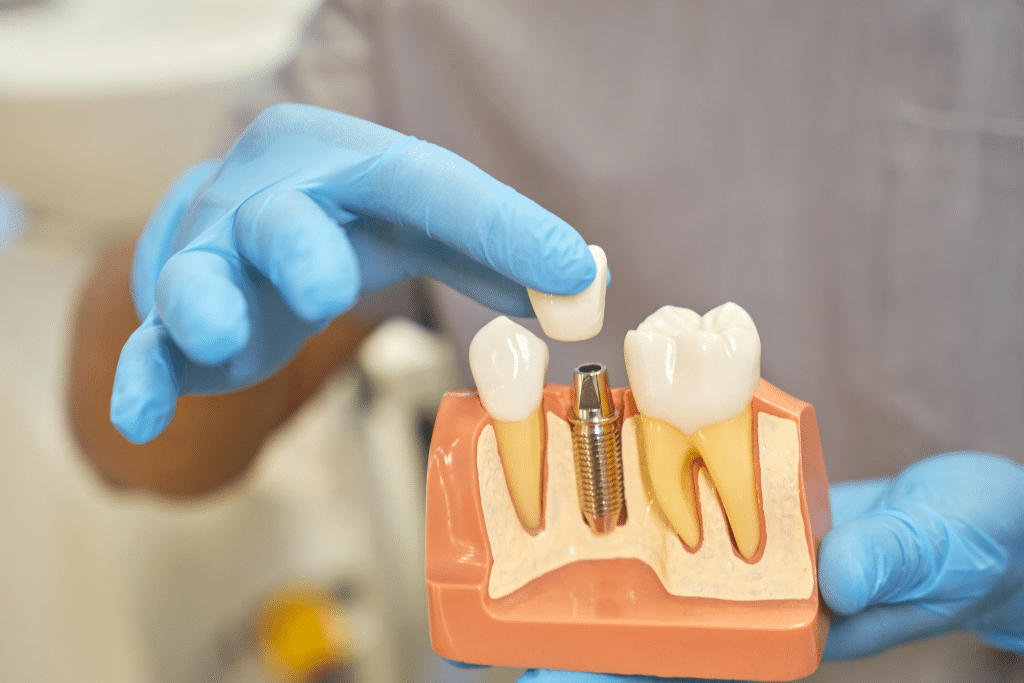
Dental implants are one of the most dependable tooth replacement options available today but they are not entirely without risk. If you have an implant or are thinking about getting one, knowing the early warning signs of implant failure could save you from a much bigger problem down the road. Catching something early almost always means a simpler fix, lower cost, and less stress on your body.
Whether you got your restoration done locally or relocated to the area from somewhere else, if you’re living in or around the Tri-Valley and searching for dental implants in Livermore this guide is written specifically for you.
Why Implants Can Fail – And Why Timing Matters
Dental implant treatment has become one of the most predictable and successful ways to replace missing teeth. Implants are designed to look and feel natural, help preserve the jawbone by stimulating the surrounding bone tissue, eliminate the movement associated with traditional dentures, and can often function reliably for decades with proper care.
However, when an implant begins to fail, the early signs can be subtle. Many patients don’t recognize the problem until discomfort, swelling, or visible changes around the implant send them back to the dental office.
The good news is that your body often provides warning signs weeks or even months before implant failure becomes a serious issue. Knowing what to watch for can make the difference between a simple intervention and a more complex treatment process.
7 Warning Signs Your Dental Implant May Be Failing
- Pain or discomfort that returns after healing
Some tenderness right after surgery is expected. That’s normal. What’s not normal is pain that goes away and then comes back months or years later, especially if it’s throbbing, consistent, or getting worse. This could signal bone loss, infection, or the implant beginning to loosen from the jaw.
- The implant or crown feels loose
A stable implant should feel exactly like a natural tooth. If you notice any wobble, movement, or shift in the crown or the post beneath it, that’s a red flag. Movement typically means the osseointegration, the process by which the implant fuses with bone that has broken down or never fully completed.
- Swelling, redness, or bleeding around the gum line
Occasional gum sensitivity can happen, but persistent swelling or bleeding around an implant site is often a sign of peri-implantitis, which is essentially gum disease around the implant. Left untreated, peri-implantitis destroys the bone and soft tissue that keep your implant in place.
- Receding gums around the implant
If the gum tissue is pulling away and exposing more of the implant post or crown than before, that recession is worth taking seriously. Gum recession changes the load your implant carries and creates pockets where bacteria thrive.
- Difficulty chewing or biting down
A functioning implant shouldn’t change the way you eat. If you find yourself favoring the other side of your mouth, feeling discomfort when biting certain foods, or noticing your bite feels “off,” your implant may be under abnormal stress often from grinding, a misaligned bite, or early bone changes.
- A bad taste or persistent bad breath
This one often gets dismissed as a hygiene issue, but a chronic bad taste or bad breath that doesn’t respond to brushing and flossing can point to infection around or beneath the implant. Infection at the implant site produces bacterial byproducts that no amount of mouthwash will fully address.
- Numbness or tingling in the jaw
This is rarer but important. If you feel unusual numbness, tingling, or a pins-and-needles sensation in your lip, chin, or gum area near the implant, it could mean the implant was placed too close to a nerve or that swelling is putting pressure on surrounding tissue. This requires immediate evaluation.
Livermore Residents: Local Factors That Can Affect Your Implant Health
Living in Livermore and the broader East Bay means enjoying warm, dry summers and an active lifestyle from wine tasting throughout the Livermore Valley to weekend hikes in Del Valle Regional Park or cycling along the Iron Horse Trail. That active pace is great, but it also means many patients here clench or grind their teeth under the daily pressures of long commutes into the Bay Area or demanding work schedules.
Bruxism, or teeth grinding, is one of the leading contributors to premature implant stress in our patient population. As more people choose dental implants in Livermore as a long-term solution for missing teeth, protecting those restorations from excessive bite forces becomes increasingly important. If you’re a Livermore resident who commutes to the South Bay or works in one of the biotech or tech corridors along I-580, it’s worth asking your dentist whether you’re grinding at night without realizing it. A custom night guard can help protect an existing implant and significantly extend its lifespan.
What To Do If You Notice Any of These Signs
Don’t wait. Book an appointment as soon as you notice anything on this list. Early-stage implant issues are almost always manageable with treatment. A loose implant caught in the first signs of mobility can often be stabilized. Peri-implantitis detected early responds well to deep cleaning and targeted therapy. But an implant that progresses to full failure usually means removal, a bone grafting procedure, a healing period, and then reimplantation which is a much longer and costlier path.
Also, keep your regular checkups. Routine X-rays allow your dentist to see bone levels around the implant long before you feel any symptoms. This is the single most important thing you can do between now and your next visit.
Ready to Get Your Implant Checked?
Whether you’re experiencing one of these warning signs right now or you simply want peace of mind about an existing restoration, the team at Roots & Gums of the Tri Valley is here to help. We serve patients across Livermore and the surrounding Tri-Valley communities with thoughtful, patient-centered implant care from your initial evaluation all the way through long-term maintenance.
If you’ve been searching for dental implants in Livermore CA and want to work with a practice that actually listens, we’d love to meet you.
Book your appointment today at Roots & Gums of the Tri Valley because the sooner we catch a problem, the better the outcome for your smile, your bone, and your budget.
Frequently Asked Questions
How long does it typically take for an implant to fail?
Implant failure can be early (within the first few months, during healing) or late (years after placement). Early failure is usually related to healing complications or medical factors. Late failure is more commonly tied to gum disease, bone loss, or excessive bite pressure over time.
Can a failing implant be saved?
In many cases, yes, especially when caught early. Treating the surrounding infection, addressing bone loss with grafting, or adjusting the bite can stabilize a struggling implant. In advanced cases, removal and replacement is the more realistic path.
Is implant failure painful?
Not always, which makes it particularly tricky. Some patients experience clear pain, while others notice only subtle changes like mild looseness or a slightly altered bite. That’s why routine checkups matter even when you feel fine.
What increases my risk of implant failure?
Smoking is the single biggest risk factor. Others include poorly controlled diabetes, insufficient bone density at the time of placement, poor oral hygiene, untreated gum disease, and chronic teeth grinding (bruxism).