
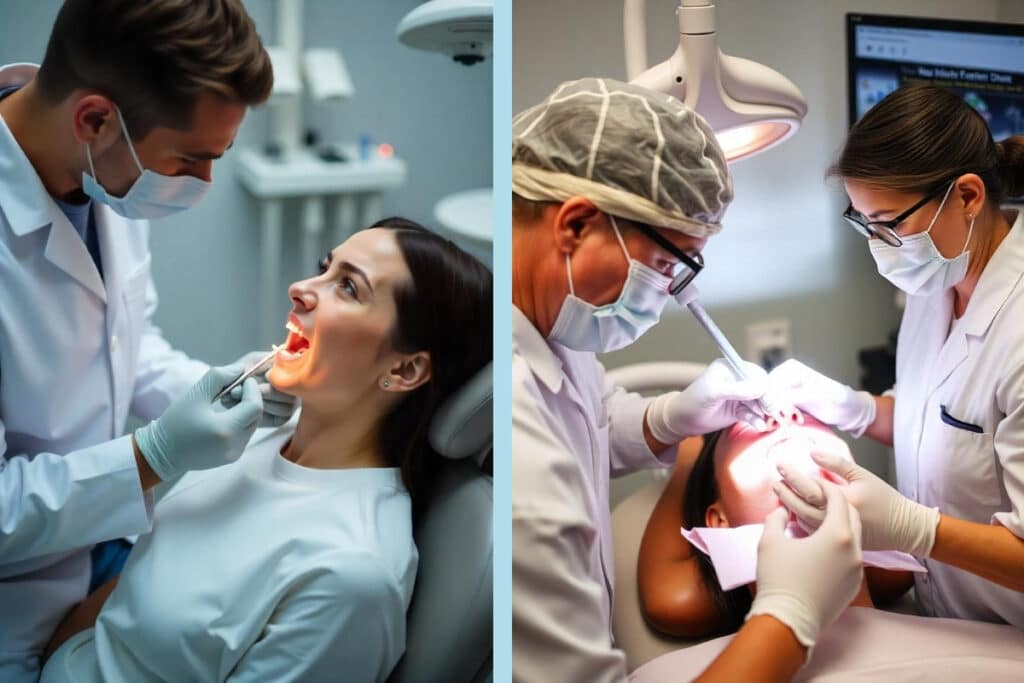
A cracked tooth is more than just a dental inconvenience—it’s a condition that, if left untreated, can lead to significant pain and complications. Whether caused by biting hard foods, teeth grinding, or an injury, cracked teeth demand timely attention and proper care to restore function.
Cracks in teeth can occur due to various reasons, often when excessive pressure is applied to the enamel. Common causes include:
- Biting On Hard Objects: Chewing ice, hard candy, or nuts can weaken teeth over time.
- Teeth Grinding (Bruxism): Continuous grinding causes microfractures, making teeth more vulnerable.
- Trauma Or Accidents: A sudden blow to the mouth during sports or an accident can lead to immediate cracking.
- Temperature Changes: Consuming extremely hot and cold foods can stress the enamel.
Regardless of the cause, identifying cracks beforehand increases the chances of effective treatment.
Different Treatment Options for Cracked Teeth
Treating a cracked tooth depends on the severity of the damage and whether it affects the tooth’s nerve. Here are the most common treatment options:
Dental Bonding
Dental bonding can repair and seal minor cracks in teeth. A tooth-colored resin is applied to restore their appearance and function.
Dental Crowns
For larger cracks, a crown may be recommended to protect the tooth from further damage. Crowns are custom-made caps that cover the tooth completely, restoring strength and aesthetics.
Root Canal Therapy
An endodontist may perform a root canal if the crack extends into the tooth’s pulp. This involves cleaning the infected tissue, sealing the canal, and capping the tooth with a crown.
Extraction
Extraction might be the only option in severe cases where the crack extends below the gum line. Missing teeth can later be replaced with implants or bridges.
Role of an Endodontist in Restoring Cracked Teeth
Endodontists are specialists in diagnosing and treating cracks that affect the tooth’s inner layers. Their expertise in root canal therapy makes them invaluable when a crack compromises the pulp or root. They use advanced imaging tools to locate invisible cracks and provide the most effective treatment.
For residents in California, the cracked teeth treatment in Livermore offered by professionals is tailored to restore damaged teeth with precision and care.
Long-Term Care for Cracked Teeth
Long-term care is crucial to maintaining oral health and preventing complications after treatment. Here’s how you can care for your treated tooth effectively:
Maintain Excellent Oral Hygiene
Brush twice daily and floss regularly to prevent plaque buildup that can compromise treated teeth. Use fluoride toothpaste to strengthen enamel.
Avoid Hard Foods
Minimize biting into hard foods like nuts, ice, and popcorn kernels to reduce stress on treated teeth.
Wear a Nightguard if You Grind Your Teeth
Bruxism can weaken teeth over time. Wearing a custom nightguard helps protect both treated and natural teeth.
Schedule Regular Dental Checkups
Visit your endodontist for routine checkups to monitor the health of treated teeth and detect any issues early.
Consider Retreatment if Necessary
If symptoms like sensitivity or pain persist, revisit your endodontist to ensure effective treatment.
Preventing Cracks in the Future
Prevention is always better than cure. To avoid cracking your teeth again:
- Use a mouthguard during sports.
- Avoid chewing hard substances.
- Practice good oral hygiene.
- Treat bruxism early.
Cracked teeth require immediate attention, expert treatment, and long-term care to remain functional and healthy. From dental bonding to root canal therapy, the available treatments can effectively address various levels of damage. Endodontists play a vital role in preserving natural teeth and providing lasting solutions.
Trust Roots & Gums of the Tri-Valley for expert care and personalized solutions. Their experienced team can help you restore and maintain your smile for years. Don’t wait—schedule a consultation today to keep your teeth in excellent health.