
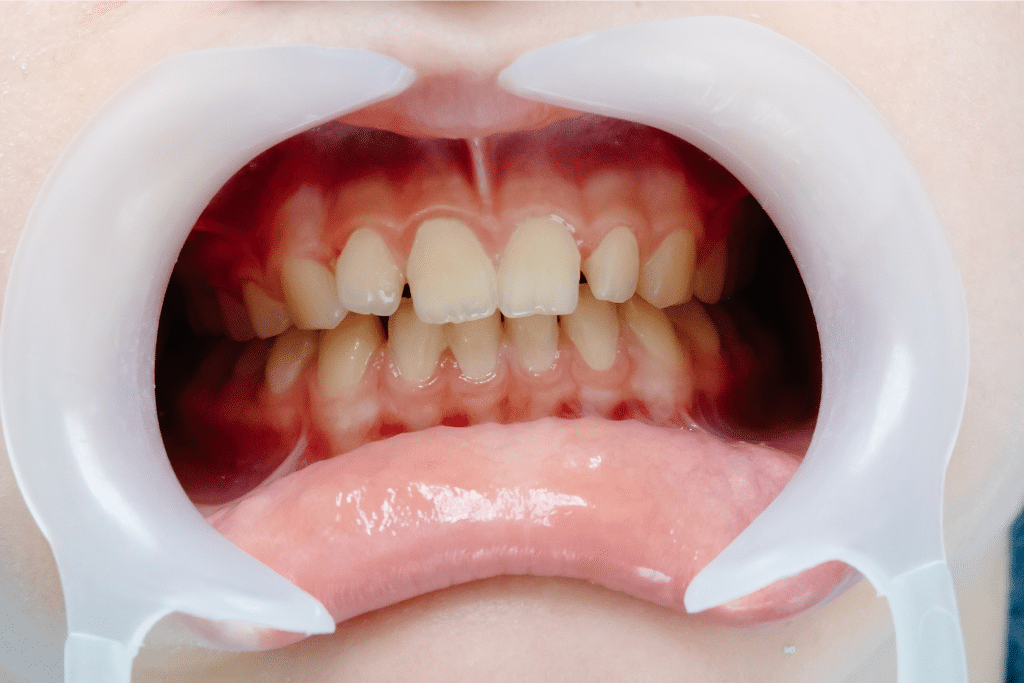
Most people rely on their general dentist for routine dental care. Regular cleanings, cavity fillings, and preventive checkups are all part of maintaining a healthy smile. But sometimes oral health issues go deeper than the surface of the teeth. When problems involve the gums, bone, or supporting structures around the teeth, specialized care may be needed.
Understanding when to seek advanced gum care can help prevent long-term complications and even tooth loss. Many patients in Livermore begin by visiting their family dentist, but certain symptoms or conditions may require care from a periodontist, a specialist trained specifically in gum health, bone support, and dental implant treatments.
If you’ve ever wondered whether your situation calls for more specialized treatment, this guide will help you recognize the signs and understand when it may be time to consult a periodontist for the next step in protecting your oral health.
What Makes Gum and Bone Health So Important?
Healthy gums do more than support your teeth; they protect the underlying bone and tissues that keep your smile stable. When gum disease develops, it often starts silently. Mild inflammation may not seem serious at first, but untreated problems can progress and damage the structures that hold your teeth in place.
This is where a specialist in gum and implant care becomes important. After the first 100 words, many patients searching online for a periodontist near me in Livermore are usually experiencing symptoms that go beyond routine dental care.
These specialists focus on diagnosing and treating conditions affecting gum tissue and jawbone, helping restore oral health when problems become more complex.
Signs You May Need Specialized Gum Care
Certain symptoms indicate that routine dental care may not be enough. If you notice any of the following signs, it may be time to seek more focused evaluation.
1. Persistent Bleeding Gums
Gums that bleed during brushing or flossing are often an early sign of gum inflammation. While mild gingivitis can sometimes be reversed with proper hygiene and cleaning, ongoing bleeding may indicate deeper infection below the gumline.
2. Gum Recession
If your teeth appear longer than before or the gumline seems to be pulling away, gum recession may be occurring. This condition can expose sensitive tooth roots and increase the risk of decay or tooth instability.
3. Loose or Shifting Teeth
Teeth should feel stable. Movement or changes in spacing between teeth may signal bone loss caused by advanced gum disease.
4. Chronic Bad Breath
Persistent bad breath that doesn’t improve with brushing or mouthwash may be caused by bacteria trapped deep within gum pockets.
5. Swollen or Tender Gums
Inflamed gums that remain swollen or painful can be a sign that infection has progressed beyond the early stages.
When these symptoms appear, a periodontist can evaluate the underlying cause and recommend targeted treatment.
Situations Where Specialized Care Is Often Recommended
Beyond symptoms, there are several situations where dentists commonly refer patients for advanced care.
Advanced Gum Disease
When gum disease progresses to periodontitis, bacteria begin damaging the bone that supports teeth. Treatment may involve deep cleaning procedures, specialized therapies, or surgical care to stop the infection.
Dental Implant Placement
Dental implants require precise placement within healthy bones. Specialists trained in implant dentistry often perform these procedures because they focus on restoring both the gums and the bone structure around replacement teeth.
Gum Grafting for Receding Gums
When gum tissue has receded significantly, grafting procedures can restore coverage and protect tooth roots from further damage.
Bone Loss Around Teeth
Bone loss can occur due to infection, trauma, or long-term tooth loss. Regenerative procedures may help rebuild bone structure and stabilize surrounding teeth.
How Local Lifestyle Factors Affect Gum Health
Residents of Livermore often enjoy an active lifestyle, from hiking local trails to visiting vineyards and outdoor events around the Tri-Valley area. While these activities contribute to overall wellbeing, certain habits common in busy lifestyles can affect oral health.
For example:
- Frequent consumption of wine or acidic beverages can contribute to gum irritation if oral hygiene isn’t maintained.
- Busy work schedules in nearby tech and business hubs can sometimes lead to skipped dental visits.
- Stress, which many professionals experience, can increase the risk of gum inflammation.
Regular checkups help catch problems early, but when deeper gum issues appear, specialized treatment ensures that the supporting structures of your teeth remain healthy.
What to Expect During a Specialized Gum Evaluation
If your dentist recommends advanced care, the first visit typically includes a detailed assessment of your gum health.
This evaluation may include:
- Measuring gum pocket depth around teeth
- Checking for bone loss using dental imaging
- Reviewing medical history and lifestyle factors
- Assessing gum recession and tooth stability
From there, a customized treatment plan can be created to restore gum health and prevent further damage.
Preventing Gum Problems Before They Progress
Many serious gum conditions can be avoided with early care and consistent oral hygiene.
Here are simple habits that can make a big difference:
- Brush twice daily using a soft-bristle toothbrush
- Floss or use interdental cleaners every day
- Schedule regular dental checkups
- Avoid tobacco products
- Maintain a balanced diet rich in vitamins and minerals
Taking these steps helps protect the gums and supporting bone structures that keep teeth healthy for life.
Why Early Action Matters
One of the most important things to remember about gum disease is that it often develops slowly and without pain in the early stages. By the time discomfort appears, the infection may already be affecting deeper tissues.
Seeking evaluation early can:
- Stop gum disease progression
- Prevent bone loss
- Protect natural teeth
- Reduce the need for complex procedures later
Prompt care ensures that small issues are treated before they become serious oral health problems.
Protect Your Smile with Expert Care
Healthy gums are the foundation of a strong smile. Recognizing when specialized care is needed can help prevent long-term oral health complications and preserve your natural teeth.
If you’re experiencing symptoms of gum disease, gum recession, or need advanced dental implant care, the experienced team at Roots and Gums of the Tri Valley is here to help. Their patient-focused approach combines modern technology with personalized treatment to restore gum health and confidence in your smile.
Schedule your consultation today and take the first step toward healthier gums and lasting oral health.
Frequently Asked Questions
How Do I Know If My Gum Problem Is Serious?
If symptoms like bleeding, swelling, or gum recession persist for more than a few days, it’s best to have your gums evaluated. Early diagnosis helps prevent complications.
Can Gum Disease Be Reversed?
Early stages such as gingivitis can often be reversed with proper cleaning and improved oral hygiene. Advanced stages may require specialized treatment.
Do I Still Need A General Dentist If I Receive Specialized Gum Care?
Yes. General dentists continue providing routine dental care, while specialists focus on gum health and implant treatments.
Are Gum Treatments Painful?
Modern techniques and local anesthesia help keep procedures comfortable. Most treatments involve minimal discomfort and short recovery periods.
Can Gum Disease Affect Overall Health?
Yes. Research has linked gum disease to conditions such as heart disease and diabetes, making early treatment important for overall wellness.