
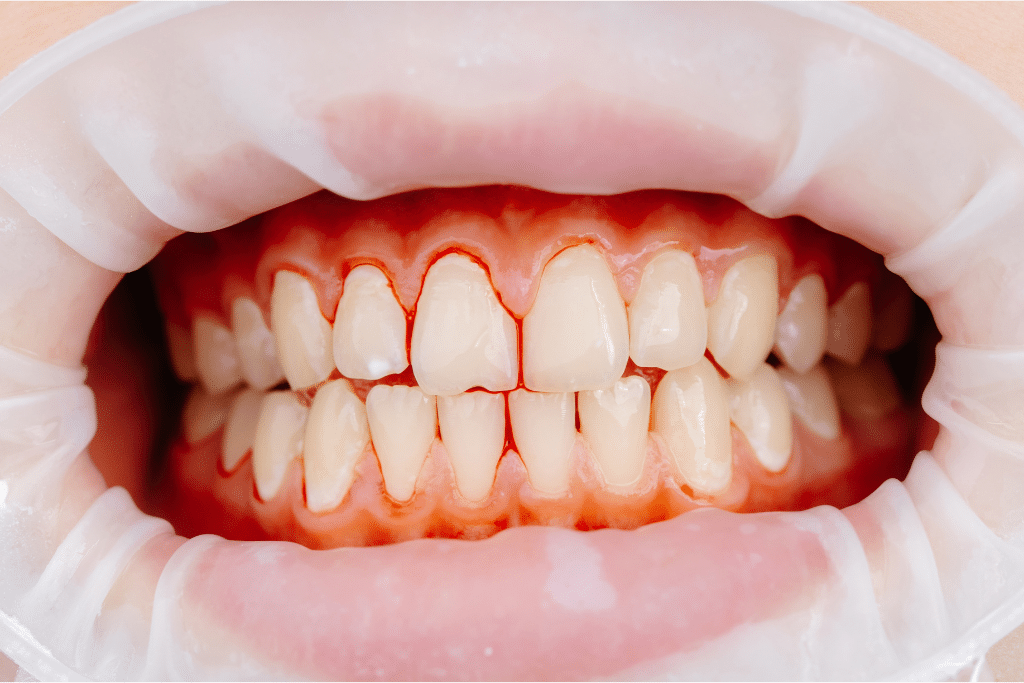
Gum health is often overlooked until discomfort becomes impossible to ignore. Many people assume that bleeding gums, bad breath, or mild swelling are temporary issues. In reality, these early warning signs can point to a progressive condition that worsens quietly over time. When periodontal disease is left untreated, it doesn’t just affect your smile it can impact your comfort, confidence, and overall health.
For residents across the Tri-Valley area, busy schedules, commuting, and family responsibilities often delay dental visits. Unfortunately, gum disease doesn’t wait. It advances step by step, causing damage that becomes harder and more expensive to reverse the longer it goes unaddressed.
How Periodontal Disease Progresses Over Time
Periodontal disease typically begins as gingivitis, caused by plaque buildup along the gumline. At this stage, symptoms may include redness, tenderness, and bleeding during brushing or flossing. Gingivitis is often painless, which is why many people ignore it.
If plaque isn’t removed, it hardens into tartar and bacteria move below the gumline. This is when gingivitis progresses into periodontitis, a more serious infection that damages the tissues and bone supporting your teeth. At this point, home care alone is no longer enough, and professional treatment becomes essential.
After the first 100 words, here is the natural keyword usage: Seeking care from a periodontist can help stop this progression before permanent damage occurs.
The Consequences of Leaving Gum Disease Untreated
When periodontal disease continues unchecked, the effects can be severe and long-lasting:
1. Gum Recession
As infection spreads, gums pull away from the teeth, exposing sensitive roots. This can lead to tooth sensitivity, an uneven smile, and a higher risk of decay.
2. Bone Loss
The bacteria destroy the jawbone that anchors your teeth. Over time, this bone loss can change facial structure and make future restorative treatments more complex.
3. Loose or Shifting Teeth
As support weakens, teeth may move or feel unstable. This can affect your bite, speech, and ability to chew comfortably.
4. Tooth Loss
In advanced stages, teeth may need to be removed because there’s no longer enough bone or tissue to support them.
5. Persistent Bad Breath
Chronic infection causes ongoing odor and an unpleasant taste that brushing and mouthwash can’t fix.
The Bigger Picture: Effects on Overall Health
Research continues to show strong links between untreated periodontal disease and systemic health issues, including:
- Heart disease and stroke
- Diabetes complications
- Respiratory infections
- Pregnancy-related risks
The mouth is not separate from the rest of the body. Inflammation and bacteria from infected gums can enter the bloodstream, contributing to wider health concerns especially important for older adults and those managing chronic conditions.
Why Delaying Treatment Is Common but Risky
Many people search online for a periodontist near me in Livermore only after symptoms become painful or visible. By then, the disease may already be advanced. Early treatment is not only more comfortable but also far more conservative.
In communities like Livermore and the surrounding Tri-Valley, access to specialty dental care means problems can be addressed before they escalate. Regular evaluations and timely intervention protect both oral health and long-term wellbeing.
What Treatment Can Do Even in Later Stages
Even if periodontal disease has progressed, modern treatments can help manage infection and preserve remaining teeth. Depending on severity, care may include:
- Deep cleaning (scaling and root planing)
- Laser-assisted therapy
- Targeted antimicrobial treatment
- Surgical procedures to regenerate bone or tissue
The goal is always to control infection, restore stability, and prevent further damage.
Warning Signs You Shouldn’t Ignore
If you notice any of the following, it’s time to act:
- Gums that bleed easily
- Swelling, redness, or tenderness
- Receding gums or longer-looking teeth
- Persistent bad breath
- Loose teeth or changes in bite
Many people type periodontist near me in Livermore hoping for reassurance but early professional care offers real solutions, not just peace of mind.
Simple Steps to Protect Your Gum Health
While professional care is essential, daily habits matter too:
- Brush twice daily with proper technique
- Floss or use interdental cleaners every day
- Schedule regular dental and periodontal checkups
- Don’t ignore early symptoms even if they seem minor
Consistency is key, especially for adults with a history of gum problems.
Take Control of Your Gum Health Today
Ignoring periodontal disease doesn’t make it go away, it allows it to quietly damage your smile and health. Timely care can make all the difference, especially when guided by a team focused on long-term results and patient comfort.
If you’re ready to protect your smile and overall wellbeing, schedule a consultation with Roots & Gums of the Tri-Valley today. Our dedicated team is here to help you take the next step toward healthier gums, book your appointment now and invest in a healthier future.
Frequently Asked Questions
Can Periodontal Disease Heal On Its Own?
No. While early gingivitis can improve with better hygiene, periodontitis requires professional treatment.
Is Gum Disease Painful?
Often no, especially in early stages which is why it’s so dangerous when left untreated.
How Long Does Treatment Take?
It depends on severity. Some cases improve in weeks, while advanced conditions require ongoing care.
Can Gum Disease Come Back After Treatment?
Yes, without proper maintenance. Regular follow-ups are essential to keep infection under control.
Does Treatment Help Avoid Tooth Loss?
Absolutely. Early and appropriate care greatly increases the chances of saving natural teeth.