
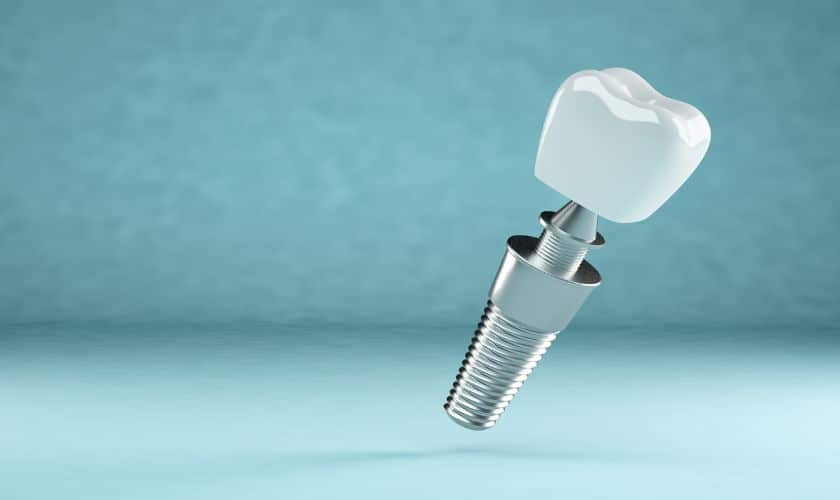
Dental implants are a well-liked and cutting-edge method of restoring lost teeth in Livermore. They provide a long-lasting, aesthetically pleasing, and useful substitute for bridges or dentures. However, like any medical procedure, dental implants are not without risks. By being aware of the most frequent reasons why implants fail, you may maximize the success of your implants and make well-informed decisions.
Most Common Causes of Implant Failure
Dental Implants: A Reliable Solution With Potential Challenges
Little titanium posts called dental implants are surgically inserted into the mandible to serve as replacement tooth roots. Despite the high success rates of dental implants, there are a few conditions that may lead to implant failure
Peri-Implantitis: Similar to gum disease, peri-implantitis is the primary cause of dental implant failure. Bad dental hygiene makes it possible for germs to accumulate around the implant, which can eventually cause inflammation and bone loss, which can loosen and fail the implant.
Insufficient Bone Density: For dental implants to be placed successfully and undergo osseointegration, or fusion with the bone, there must be sufficient jawbone density. Before implant implantation, bone grafting treatments may be required if the jawbone is not robust enough.
Surgical Problems: Although they are rare, surgical complications after implant placement can happen and could affect the implant’s effectiveness.
Medical Conditions: Certain medical conditions, such as uncontrolled diabetes or autoimmune diseases, can increase the risk of implant failure.
Beyond the Basics: Additional Factors Influencing Implant Success
The following factors might have an impact on dental implant success rates
Smoking: Smoking has the potential to seriously hinder osseointegration by reducing blood flow to the implant site and obstructing recovery. It is strongly advised to give up smoking before and after implant implantation.
Overloading the Implant: An implant’s stability may be jeopardized if it undergoes a lot of stress immediately after implantation. It’s important to abide by your dentist’s suggestions regarding nutrition and eating habits while your teeth are recovering.
Past Dental Issues: Implant failure risk may increase if gum disease or other oral health issues go untreated. Before undergoing implant surgery, it is crucial to address any existing oral health issues.
Optimizing Success: How to Care for Your Dental Implants
Adhering to strict oral hygiene protocols is essential for the sustained viability of your dental implants
Regular Brushing and Flossing: To get rid of plaque and germs surrounding the implants, brush twice a day with a soft-bristled toothbrush and floss once a day.
Frequent dental examinations: Make an appointment for routine teeth cleanings and examinations with your Livermore dentist. This makes it possible to identify and address any possible issues around the implant early on.
Sustaining an Invigorating Lifestyle: In addition to supporting implant health, a balanced diet and healthy lifestyle choices like giving up smoking also improve general well-being.
The Right Choice for You: Working with an Implant Dentist in Livermore
You need to consult with a qualified and experienced Livermore implant dentist if you want your dental implants to last as long as possible. This explains why
Full Evaluation: X-rays and CT scans are part of a full assessment that determines the condition of your jawbone and if implants are right for you.
Treatment Planning: Your dentist will develop a personalized treatment plan based on your particular needs and health issues.
Surgical Competence: Implant implantation requires a high level of surgical competence and experience. Choose a dentist who has worked with implants before.
Ongoing Care: Regular dental exams and cleanings are crucial after implant installation to monitor implant health and prevent problems.
Your Smile, Your Investment: Ensuring Long-Term Success
Livermore dental implants are a fantastic way to replace lost teeth, but they need to be taken care of properly. You may maximize the performance of your implants and take pleasure in a healthy, self-assured smile for years to come by being aware of the possible reasons for implant failure, maintaining strict dental hygiene, and consulting with an experienced implant dentist.
Make an appointment with a dentist right now! We provide complete dental implant treatments at Roots & Gums Of The Tri-Valley, from the initial assessment and treatment planning to the procedure and post-operative care. Our skilled dental team uses cutting-edge technology to deliver individualized treatment and guarantee the best possible implant outcomes. Get in touch with us right now to go over your choices and start your path to a confident, healthy smile!
FAQS
What causes dental implant failure most often?
The most common cause of dental implant failure is peri-implantitis, an infection similar to gum disease that leads to inflammation and bone loss around the implant.
How can I tell if my dental implant is failing?
Warning signs include pain, swelling, gum inflammation, loose implants, or difficulty chewing. If you notice these symptoms, schedule a checkup with your implant dentist immediately.
Can poor oral hygiene cause dental implant failure?
Yes. Neglecting daily brushing, flossing, and regular dental visits can cause bacterial buildup, leading to infections and implant failure.
Can smoking affect dental implant success?
Yes. Smoking reduces blood flow and slows healing, significantly increasing the risk of implant failure. Quitting smoking before and after surgery improves success rates.
Are dental implants safe for people with medical conditions like diabetes?
Dental implants are generally safe, but uncontrolled diabetes or autoimmune diseases can increase failure risks. Always discuss your medical history with your implant dentist before treatment.
How can I prevent dental implant failure?
Maintain excellent oral hygiene, visit your dentist regularly, eat a balanced diet, and follow all aftercare instructions provided by your implant dentist.