
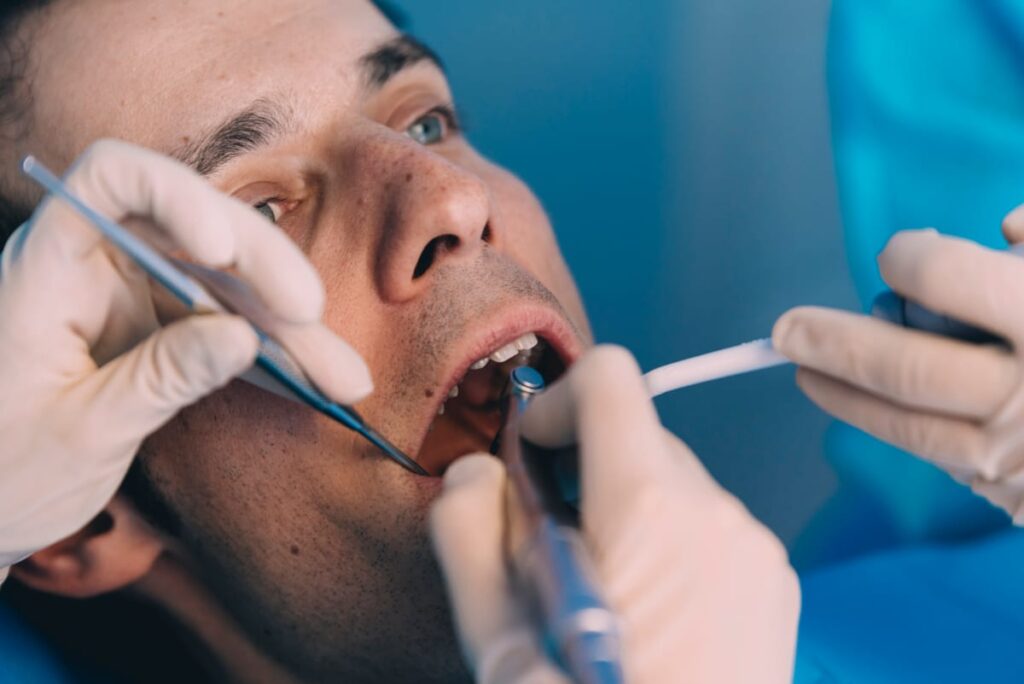
If you’ve been told you need a root canal, your first question is probably about cost. Why your root canal cost varies more than you’d expect in Livermore is something many patients ask Dr. Evan Santiago at Roots & Gums Of The Tri-Valley. The answer isn’t simple. Several factors work together to determine what you’ll ultimately pay for this common procedure.
Understanding those factors helps you plan ahead with confidence. It also removes the surprise when you receive your treatment estimate. Let’s break down exactly what drives root canal pricing — and what it means for you as a patient in Livermore.
Tooth Location Is One of the Biggest Cost Factors
Not all teeth are equally complex to treat. Front teeth, called incisors or canines, typically have just one root canal. That makes them more straightforward to treat. Back teeth — premolars and molars — have two to four canals each.
More canals means more time. It also means greater technical skill and more specialized instruments. A molar root canal is almost always more involved than a front tooth procedure. That difference in complexity directly impacts the final cost.
Your dentist evaluates the tooth’s position and anatomy before giving you an estimate. Curved or unusually shaped canals add another layer of complexity. Every mouth is different, and that individual variation matters significantly to pricing.
Why Complexity and Diagnosis Drive Root Canal Cost Variations in Livermore
Beyond tooth location, the clinical situation itself affects cost. A tooth with a straightforward infection is simpler to treat. But many cases involve complications that take more time and expertise to resolve.
Here are the most common complexity factors that influence cost:
- Severity of infection — Advanced infections may require additional treatment steps before the canal can be sealed.
- Previous dental work — A tooth with an existing crown or filling requires extra care to access the canals safely.
- Calcified canals — Hardened or narrowed canals are more difficult to locate and clean thoroughly.
- Number of visits required — Some cases resolve in one appointment; others need two or more sessions.
- Digital X-Ray findings — Advanced imaging reveals hidden issues that change the treatment plan.
At Roots & Gums Of The Tri-Valley, digital X-rays help Dr. Santiago assess the full picture before treatment begins. Accurate diagnosis prevents surprises mid-procedure. It also ensures the most appropriate treatment plan from the start.
General Dentist vs. Specialist — How Provider Choice Affects Price
Who performs your root canal also plays a major role in cost. General dentists can perform root canals on straightforward cases. Endodontists — specialists who focus exclusively on the inner tooth — typically handle complex situations.
Specialist fees are generally higher than those of a general dentist. That reflects the additional years of training and the specialized equipment involved. However, seeing a specialist isn’t always necessary. Many patients receive excellent results from a skilled general dentist like Dr. Santiago.
Dr. Santiago evaluates each case carefully. If your situation calls for a specialist referral, he will tell you honestly. His goal is always the best possible outcome for your long-term oral health.
Choosing the right provider for your specific case matters more than simply choosing the least expensive option. A well-treated root canal can save a tooth for decades. A poorly treated one may require retreatment or extraction — which costs more in the long run.
The Role of Aftercare and Restoration in Total Treatment Cost
Root canal treatment doesn’t end when the canals are cleaned and sealed. The tooth still needs protection afterward. Most teeth that receive root canals require a dental crown to restore strength and function.
A crown adds to the total investment. The type of crown — porcelain, ceramic, or zirconia — affects cost as well. The location of the tooth also matters, since back teeth bear more chewing pressure and may need a more durable restoration.
Here’s a quick overview of what total root canal care typically involves:
- Diagnosis and imaging — Digital X-rays and clinical exam to assess the tooth.
- Root canal procedure — Cleaning, shaping, and sealing the infected canals.
- Temporary restoration — A temporary filling to protect the tooth between visits.
- Permanent crown placement — A custom crown to restore full function and appearance.
Skipping the crown after a root canal is a common mistake. Without it, the treated tooth is brittle and prone to fracture. Planning for the full restoration upfront gives you a more accurate picture of your total investment.
What Happens If a Tooth Can’t Be Saved?
In some cases, a tooth is too damaged for a root canal to succeed. When that happens, extraction becomes the more realistic option. After an extraction, replacing the missing tooth becomes the next important step.
Leaving a gap in your smile can lead to shifting teeth and bone loss over time. Jaw Bone Loss And Deterioration Livermore is a real concern when a missing tooth goes unreplaced for too long. Bone naturally recedes without the stimulation a tooth root provides.
In many extraction cases, a bone graft helps preserve the jawbone for future tooth replacement. About Bone Grafting Livermore explains how this procedure supports long-term dental health and implant success. Dr. Santiago can walk you through your options if extraction becomes necessary.
Understanding these downstream costs reinforces why saving a natural tooth through a root canal is often the more economical long-term choice. Preserving your natural tooth avoids a longer and more costly treatment chain.
How to Get an Accurate Root Canal Estimate in Livermore
The only way to know your actual cost is through a proper clinical evaluation. Online estimates or general price ranges can’t account for your specific tooth, anatomy, or condition. Every patient’s situation is unique.
At Roots & Gums Of The Tri-Valley, Dr. Santiago takes time to explain your diagnosis clearly. He walks you through the treatment plan and cost breakdown before any work begins. You’ll never feel pressured or left in the dark.
A thorough consultation gives you the information you need to make a confident decision. It also allows you to ask questions and understand exactly what the treatment involves. Being informed is the first step toward better oral health outcomes.
Conclusion
Why your root canal cost varies more than you’d expect in Livermore comes down to several intersecting factors. Tooth type, infection severity, provider expertise, and restoration needs all play a role. No two cases are exactly alike, which is why personalized evaluation matters so much. Dr. Evan Santiago and the team at Roots & Gums Of The Tri-Valley are here to guide you through every step of the process with clarity and care. Book Now to schedule your appointment with our team.
Frequently Asked Questions
Does the type of tooth always affect root canal cost?
Yes, it almost always does. Front teeth typically have one canal and are simpler to treat. Molars have multiple canals and take more time, which increases the overall cost of treatment.
Is a crown always needed after a root canal?
In most cases, yes. A crown protects the treated tooth from fracture and restores normal biting function. Your dentist will recommend the best type of crown based on the tooth’s location and condition.
Why is a specialist’s root canal more expensive?
Endodontists complete two to three additional years of specialty training beyond dental school. They also use highly specialized equipment. Their fees reflect that advanced expertise, particularly for complex or retreatment cases.
Can a root canal fail, and what happens then?
Root canals have a high success rate, but retreatment is sometimes needed. If the tooth can’t be saved with retreatment, extraction may be the next step. Dr. Santiago will always discuss all your options before proceeding.
How do I know if I actually need a root canal?
Common signs include persistent tooth pain, sensitivity to heat or cold, swelling near the tooth, or a darkening tooth. The only way to confirm is through a clinical exam and digital X-rays. Schedule a consultation to get an accurate diagnosis.